
























































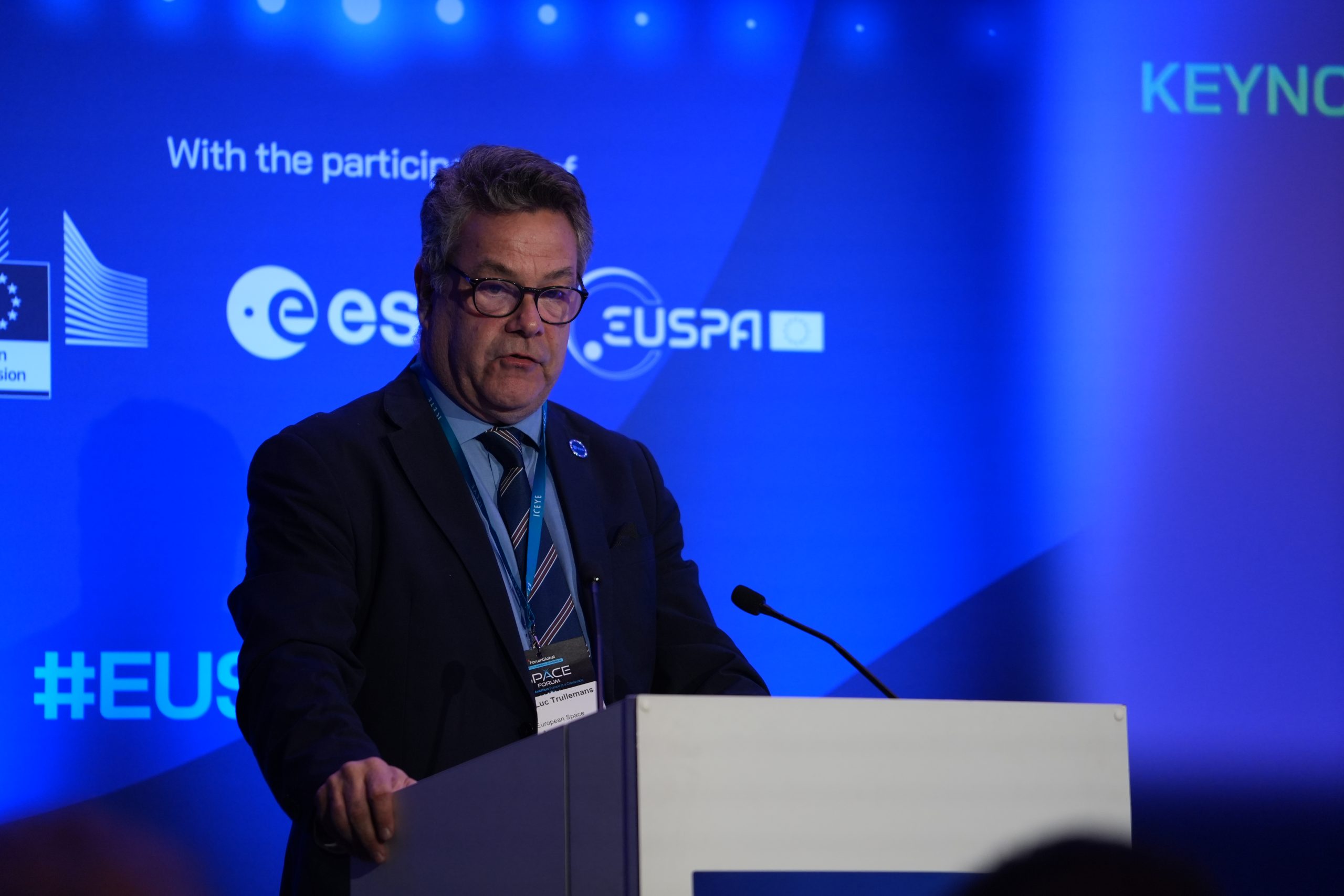
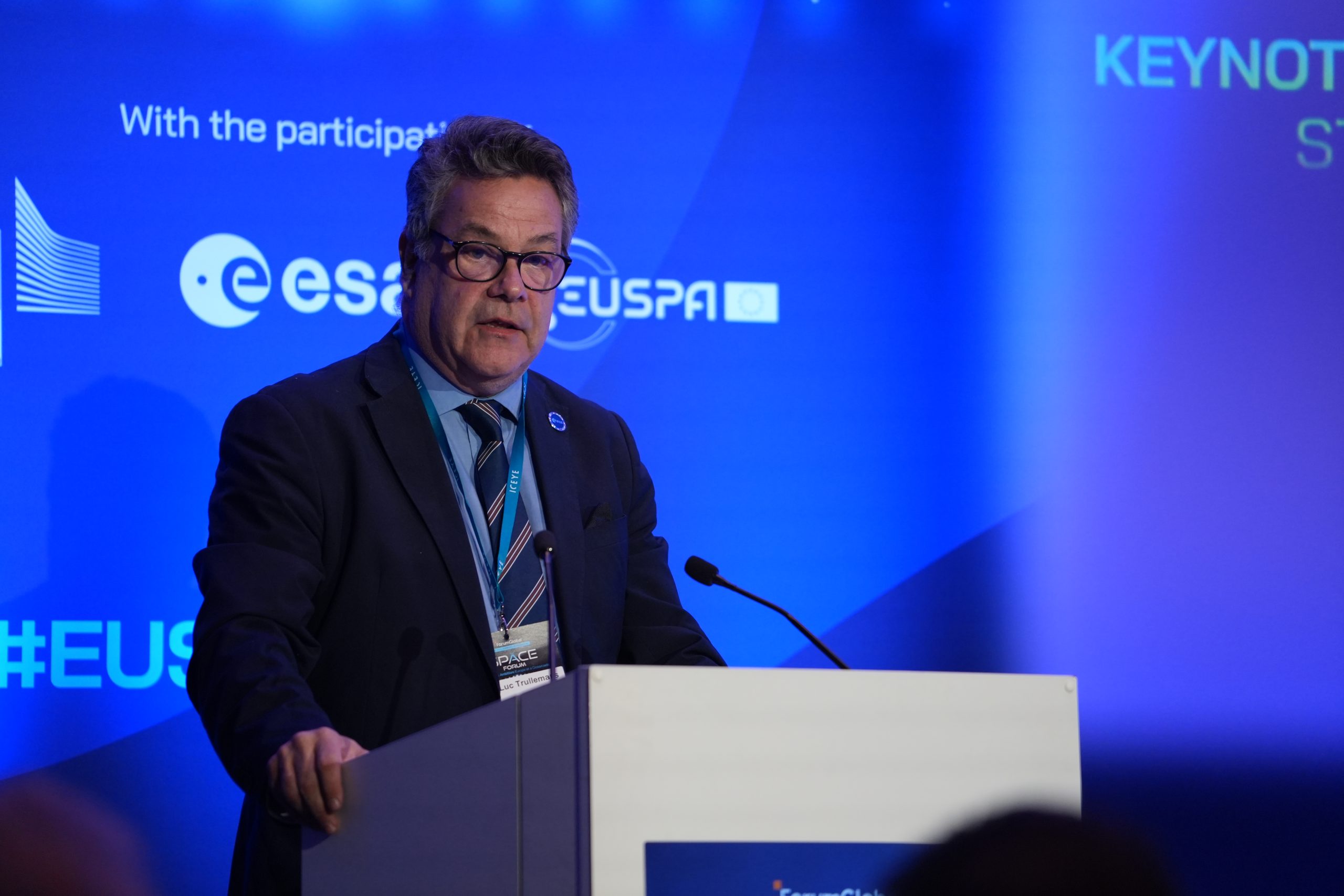
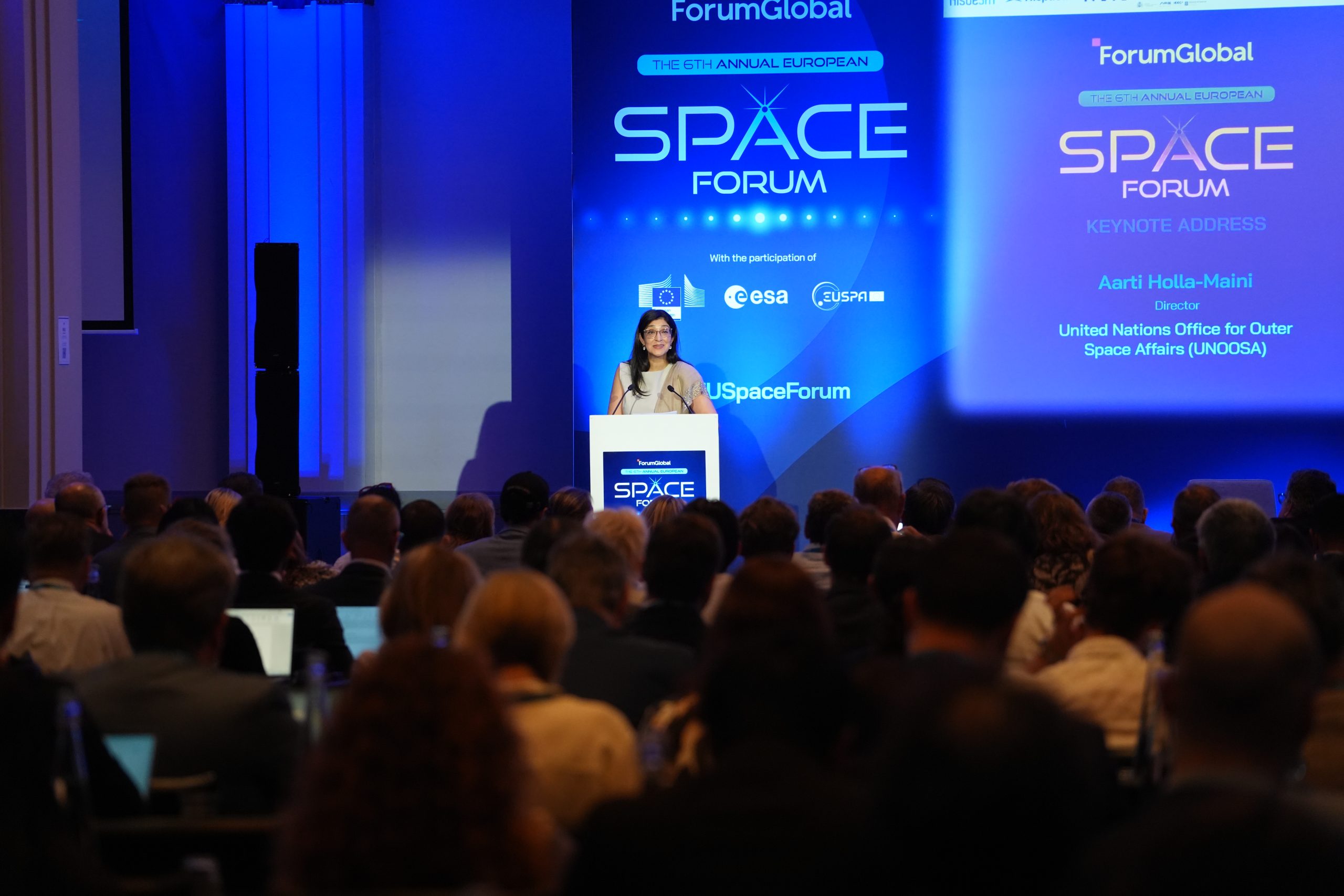
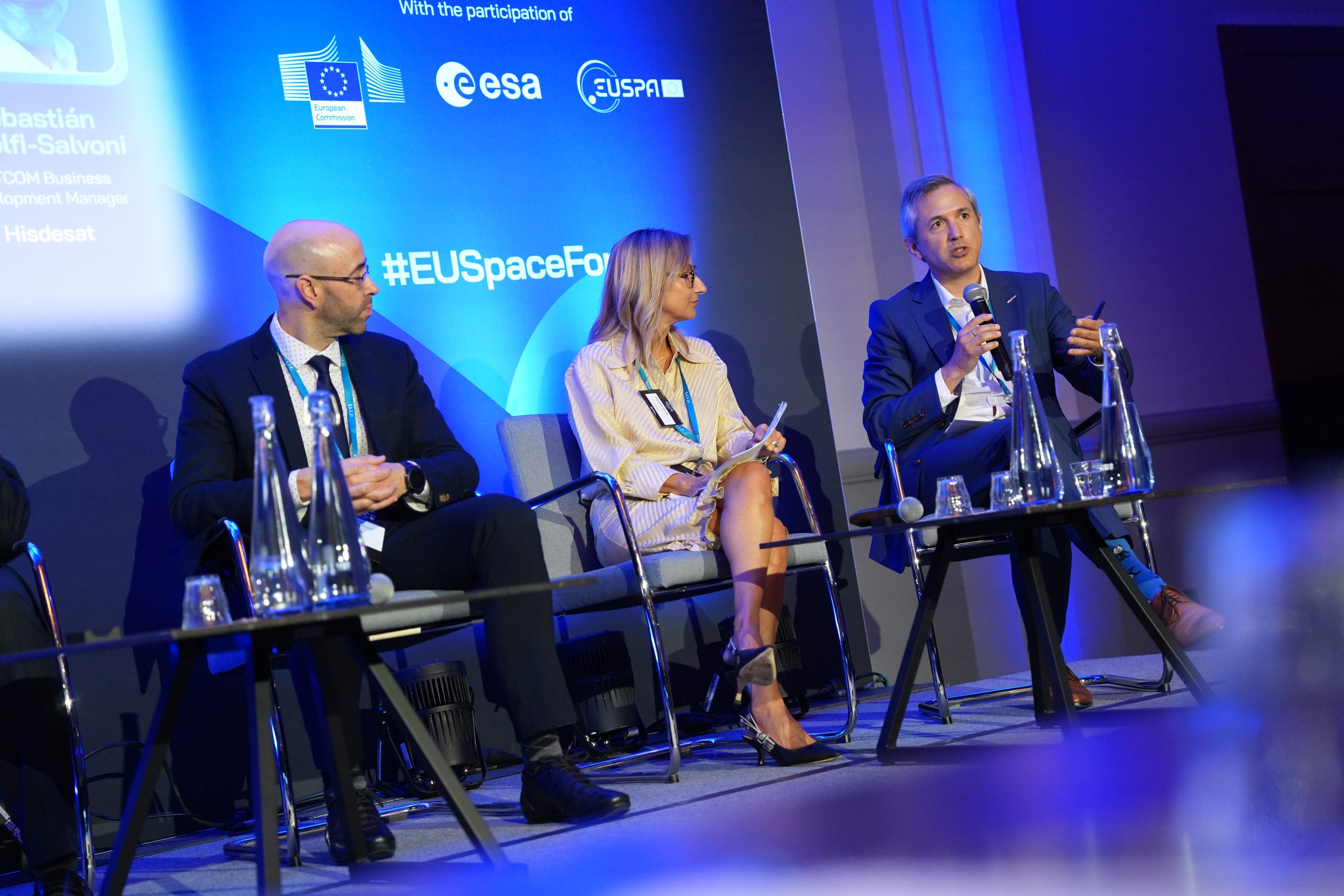
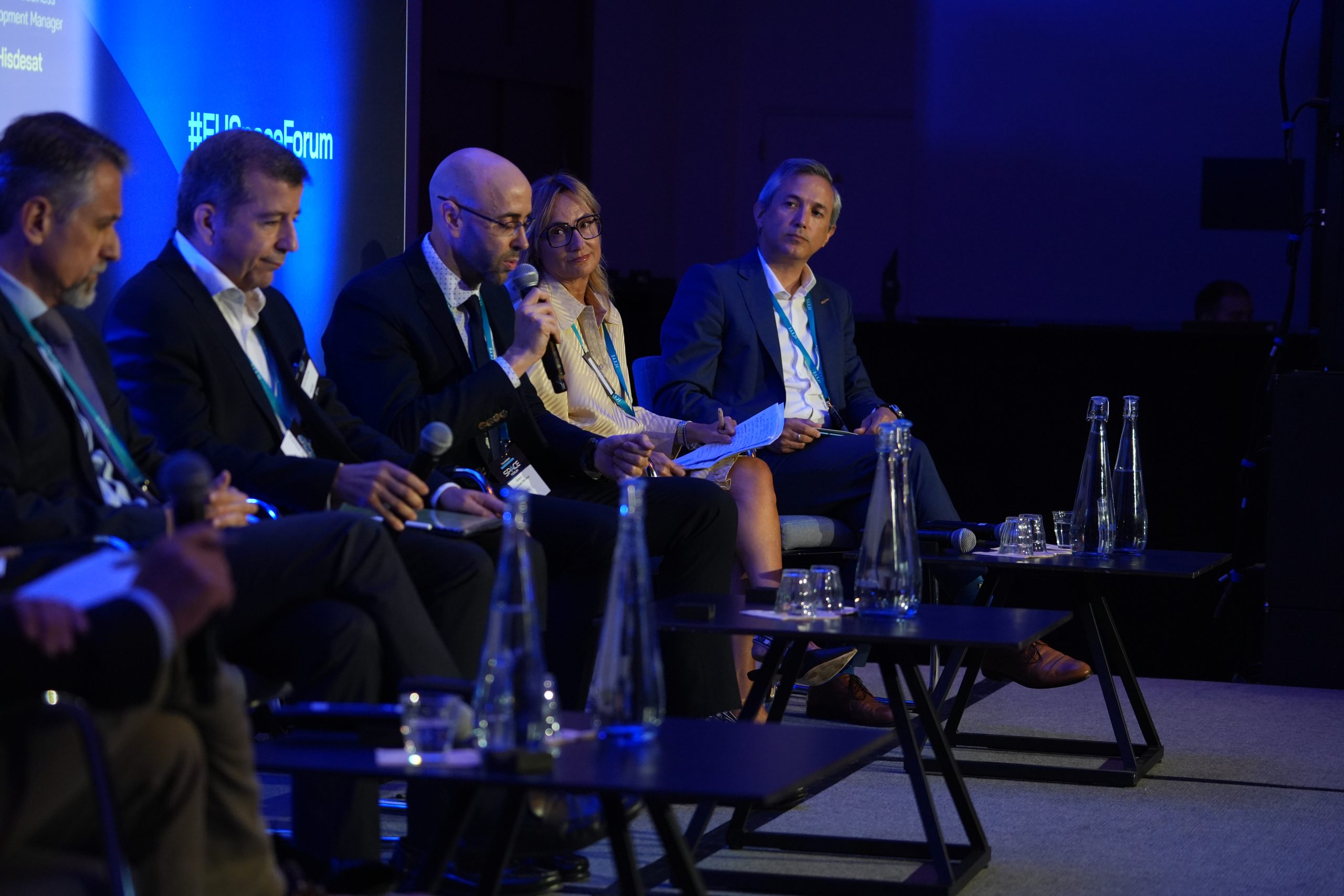
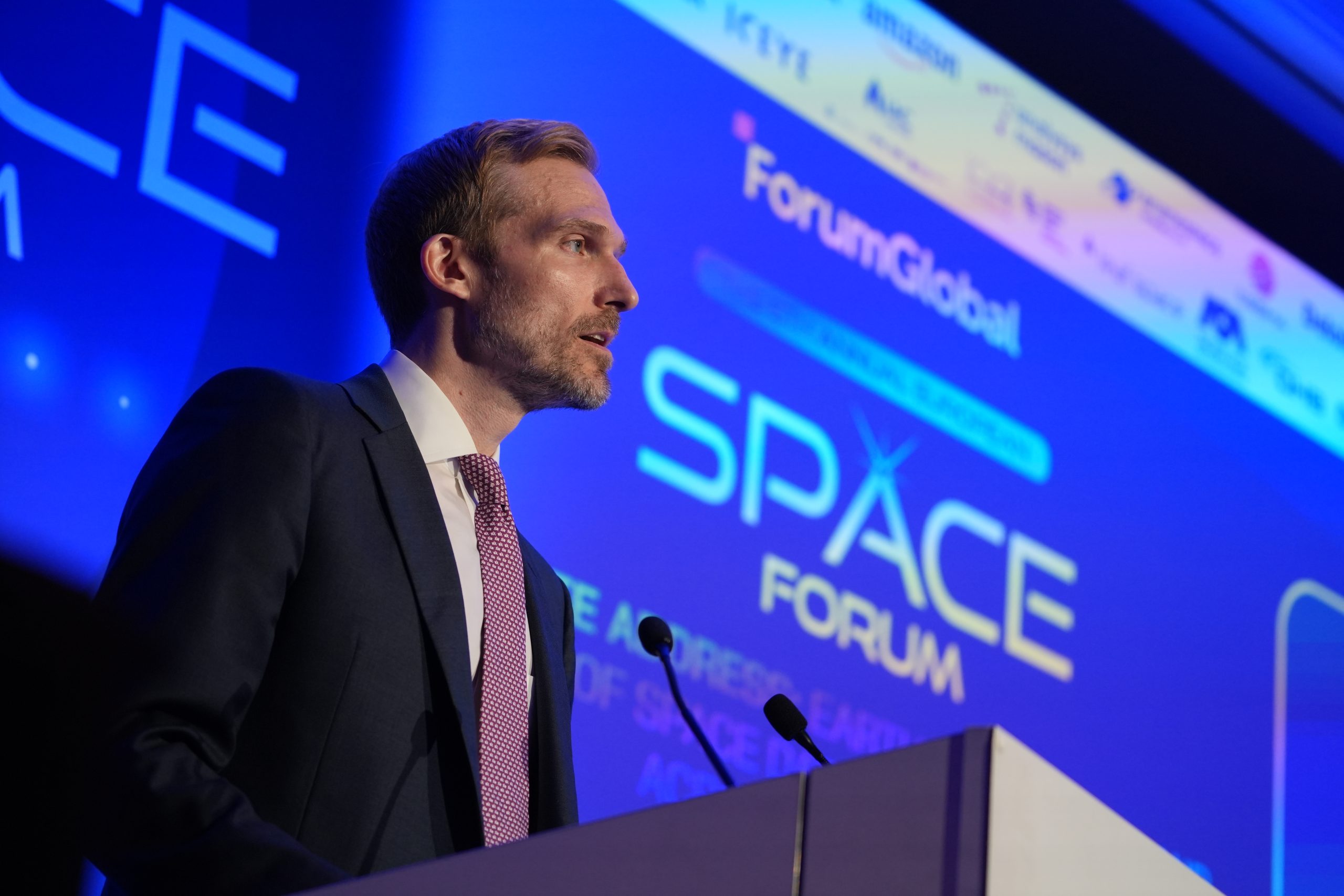
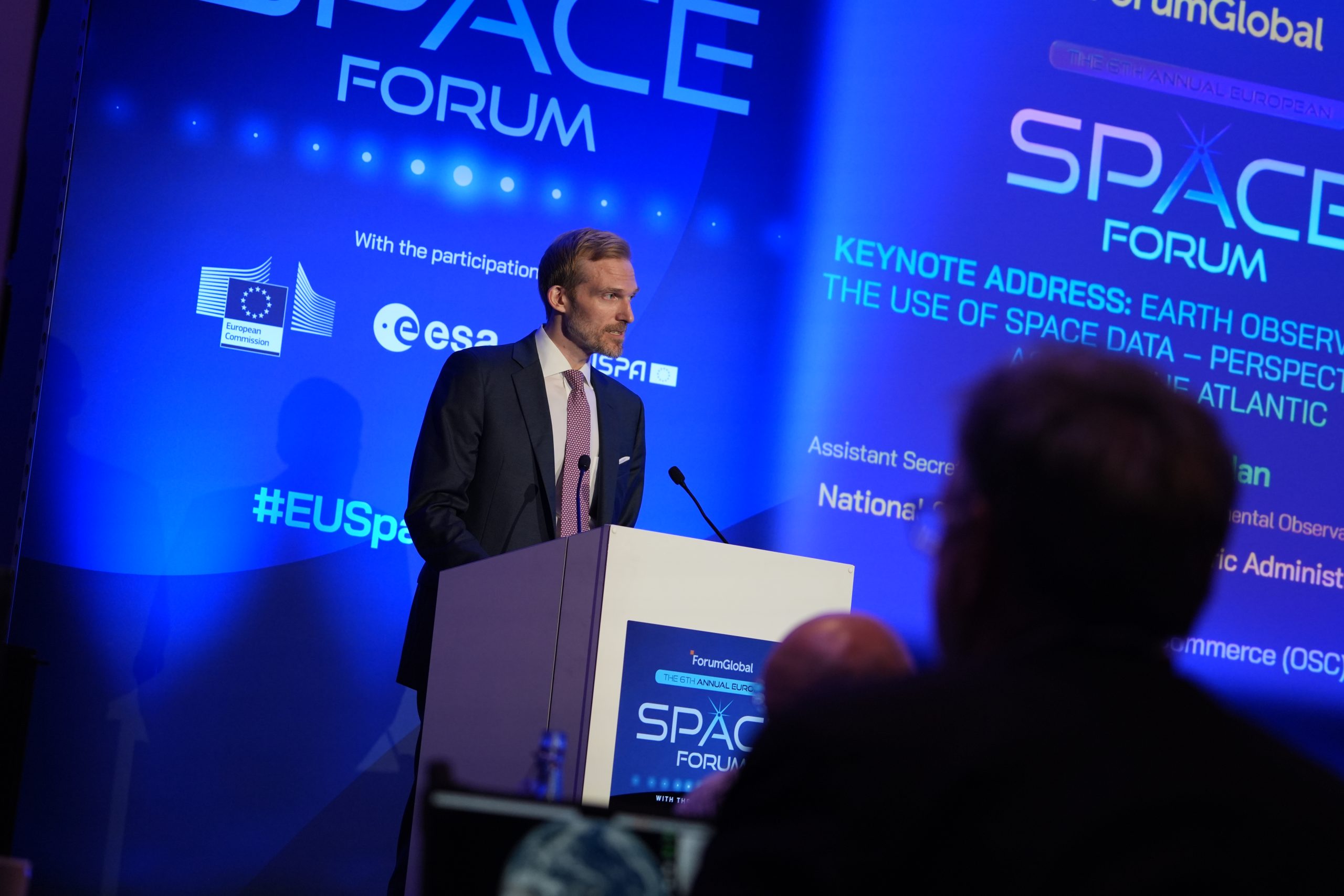
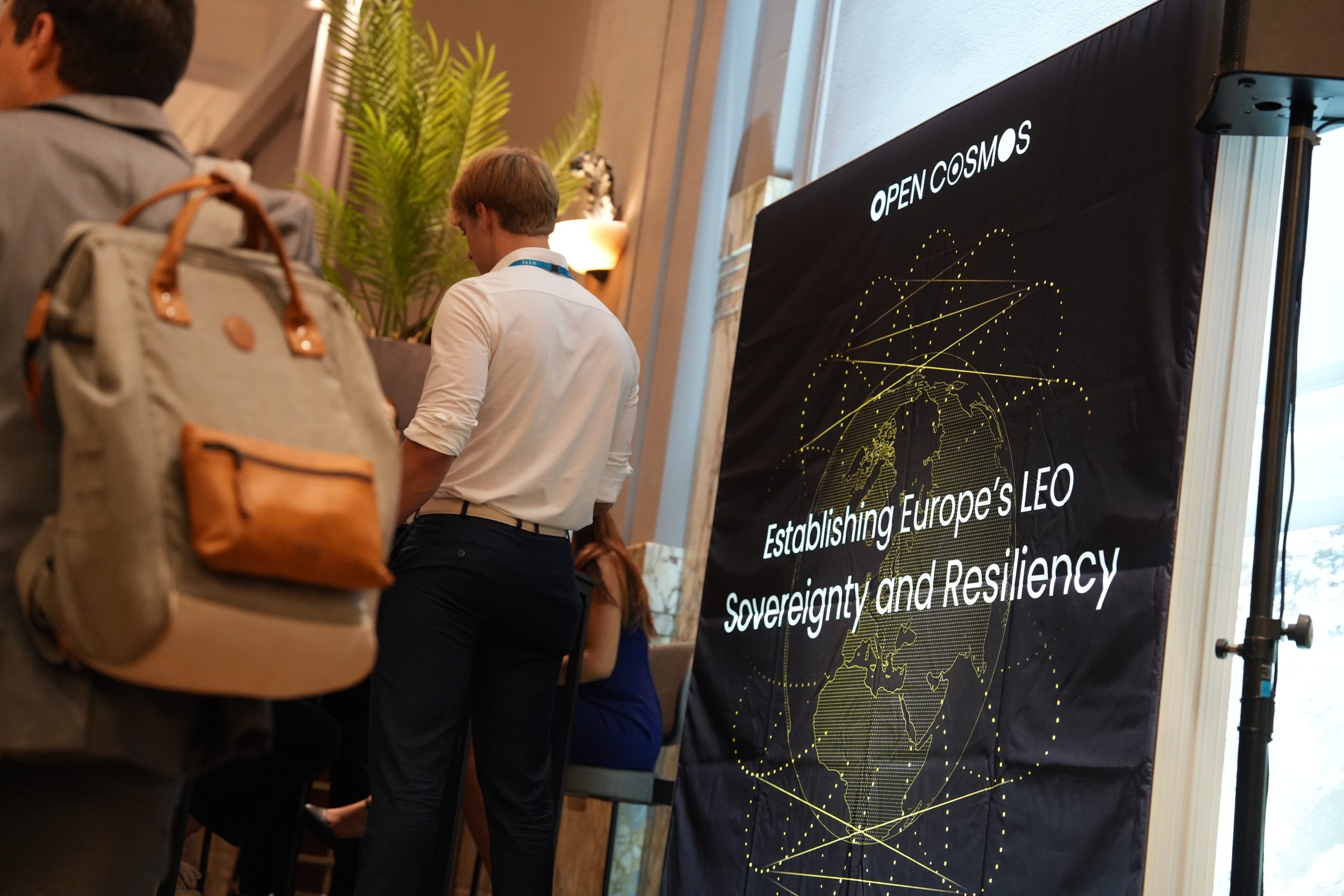
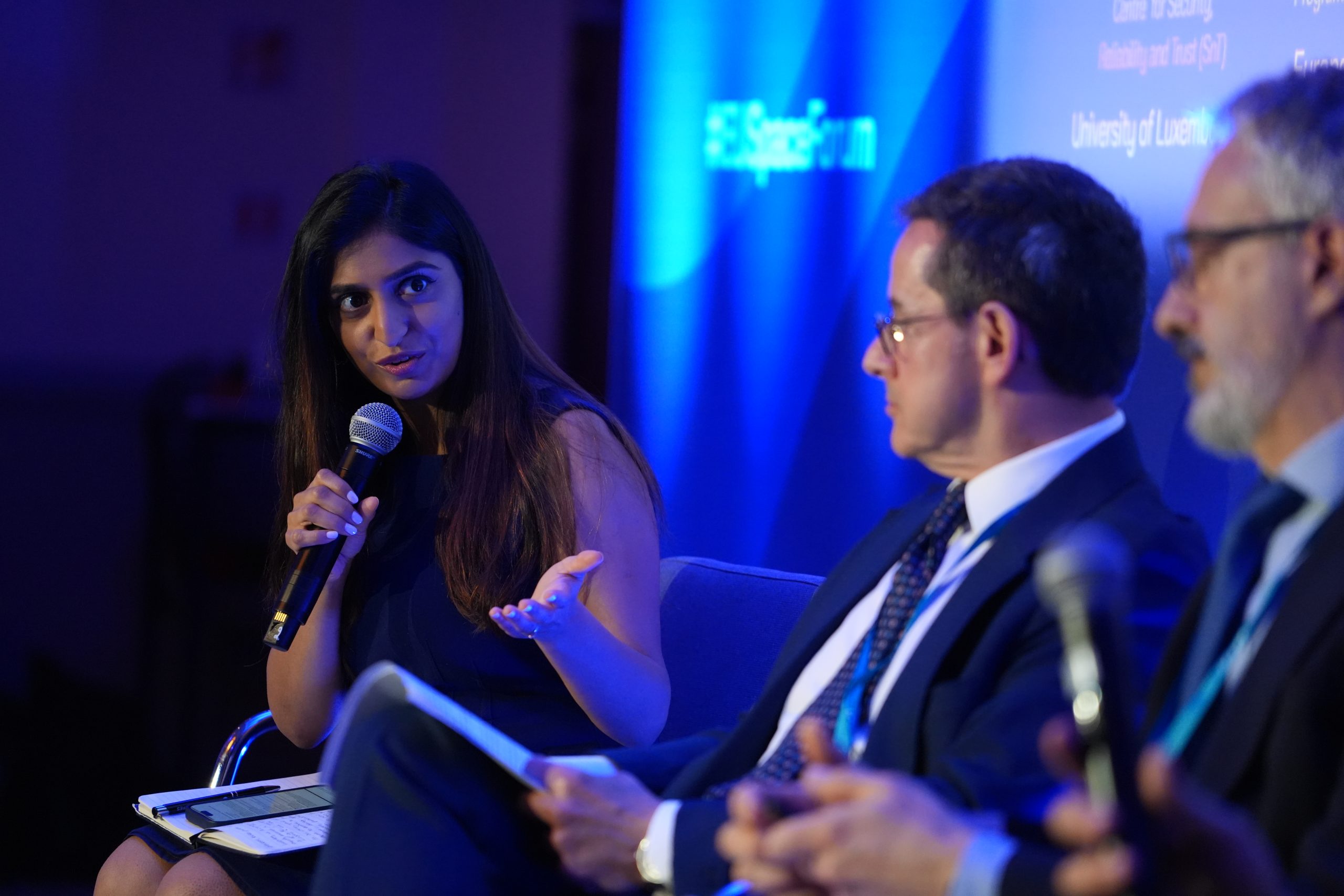
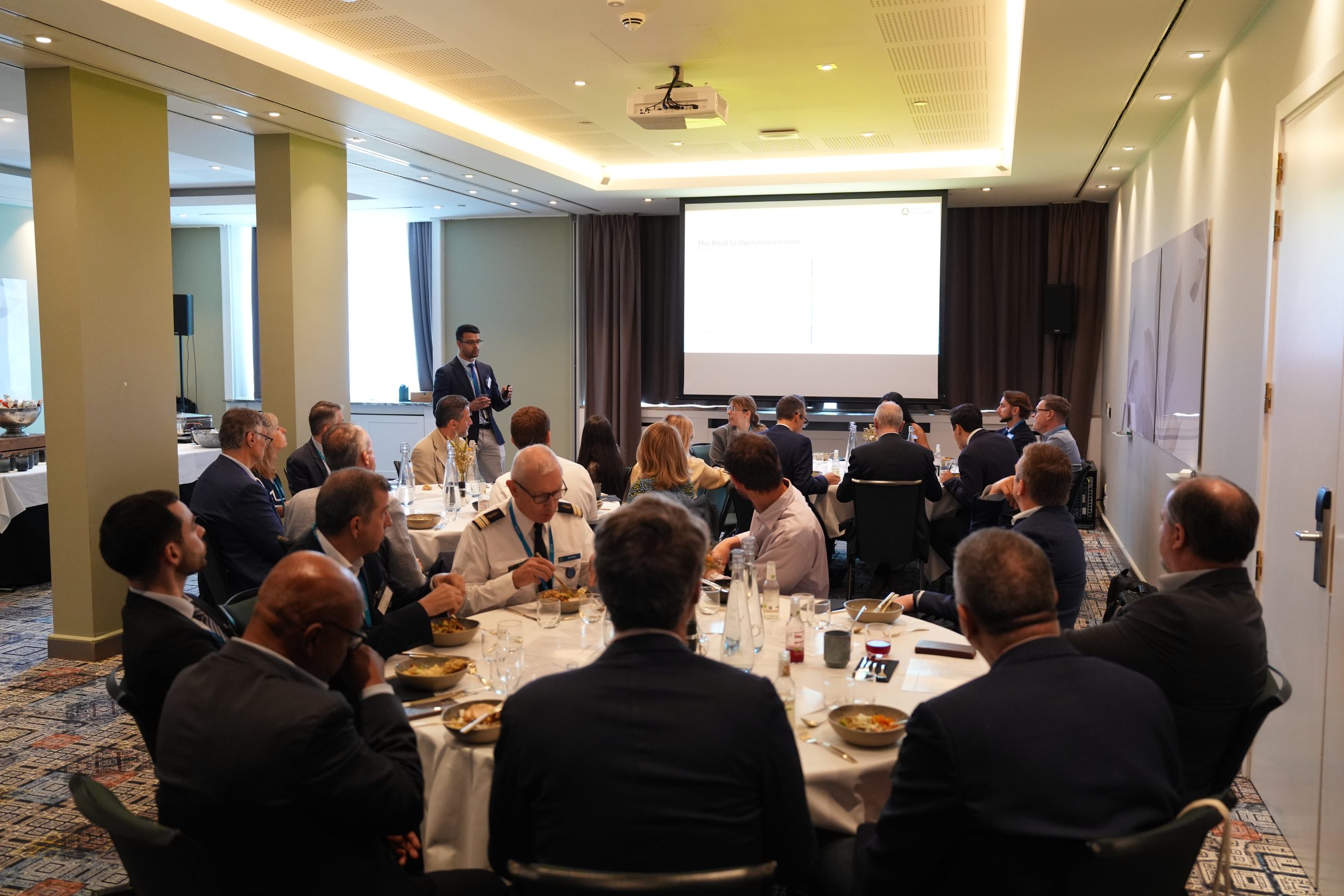
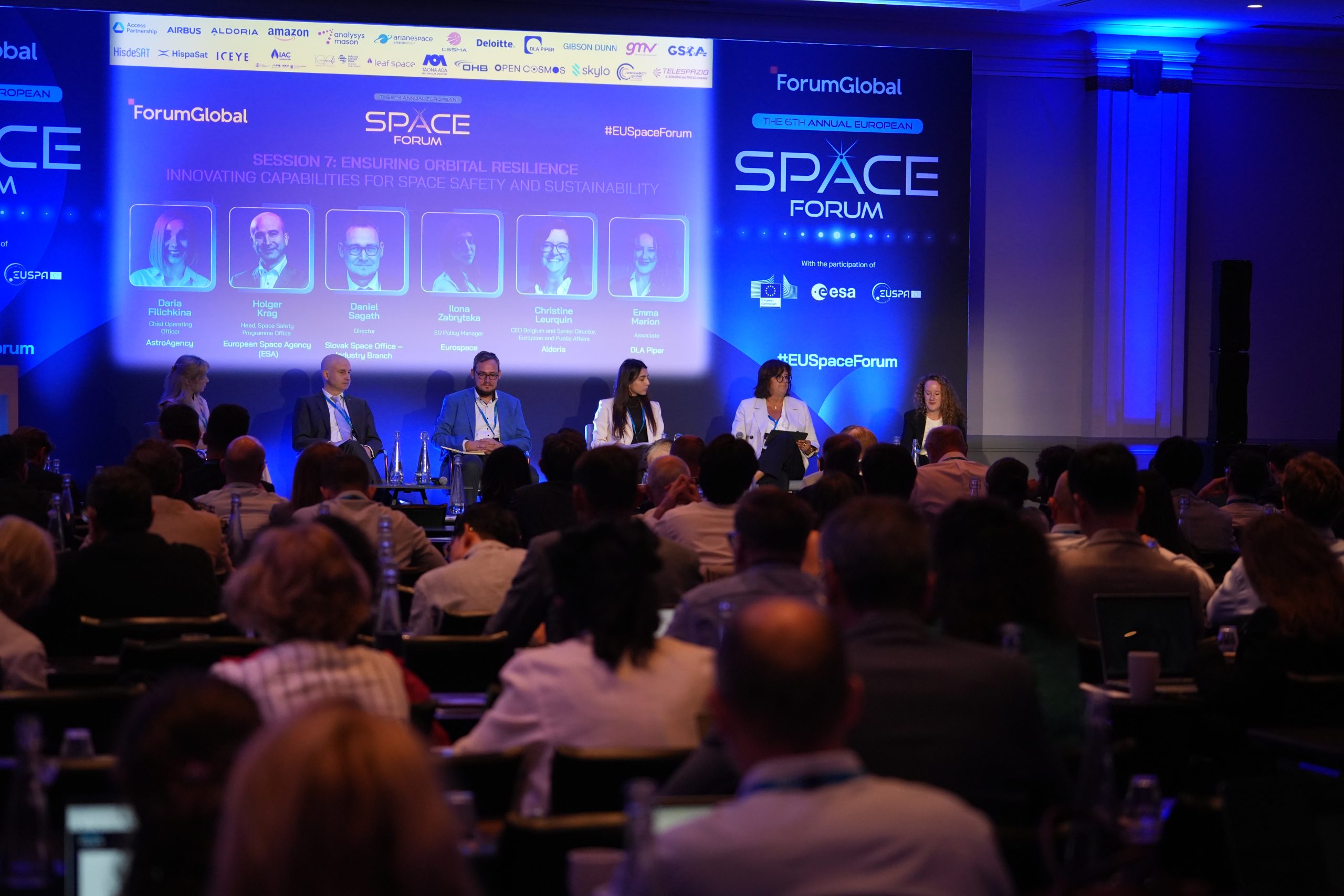





































































The Organiser

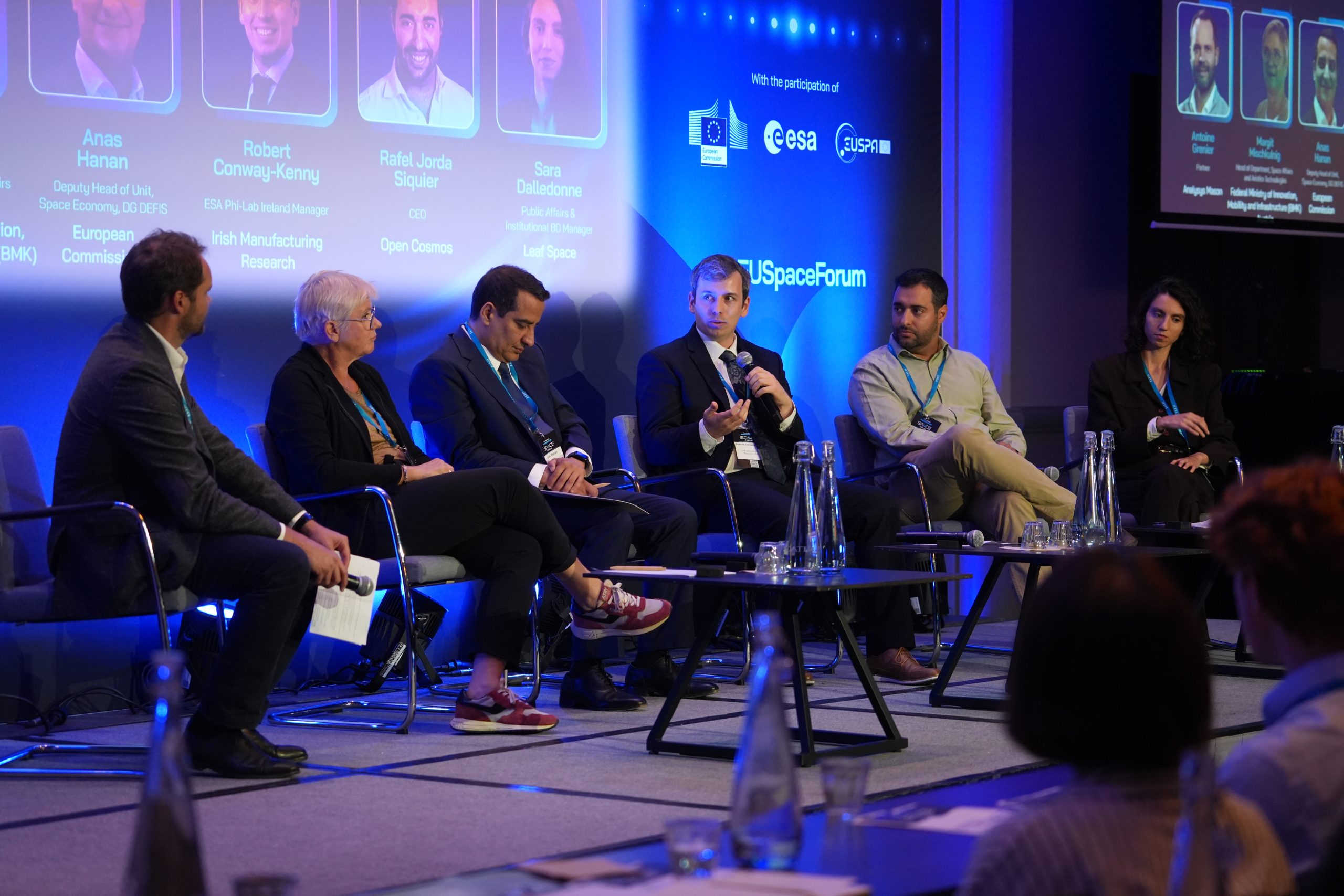
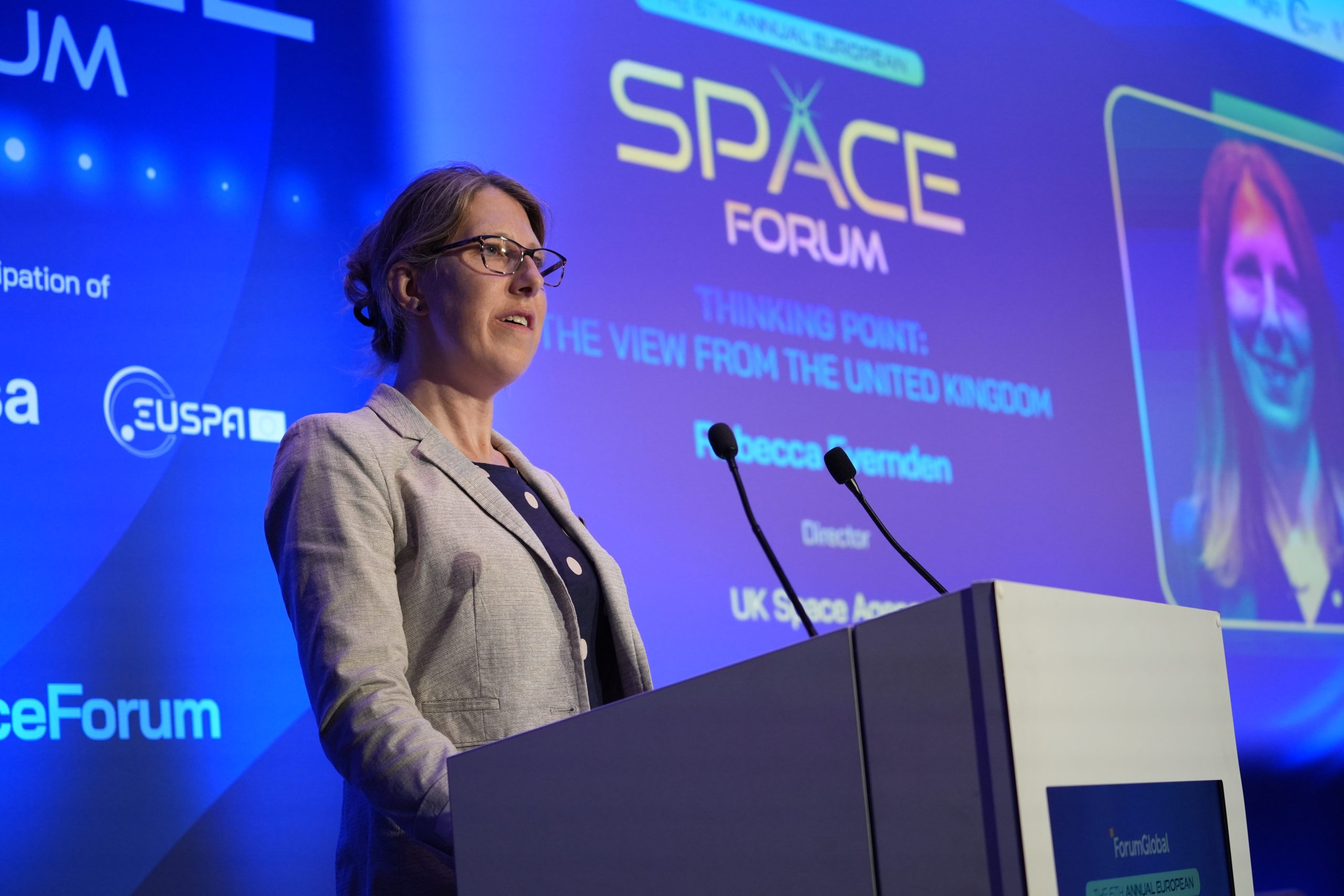
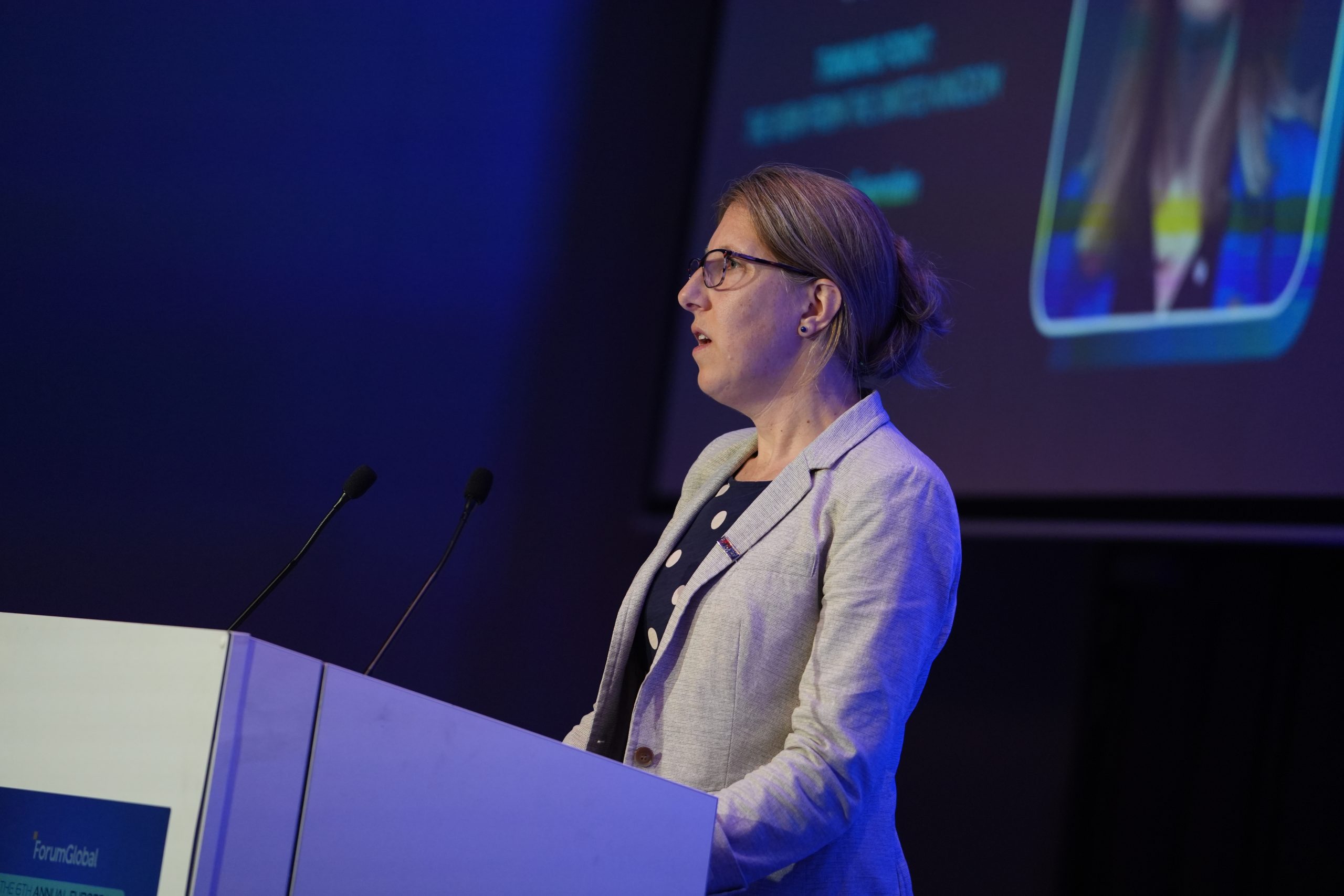
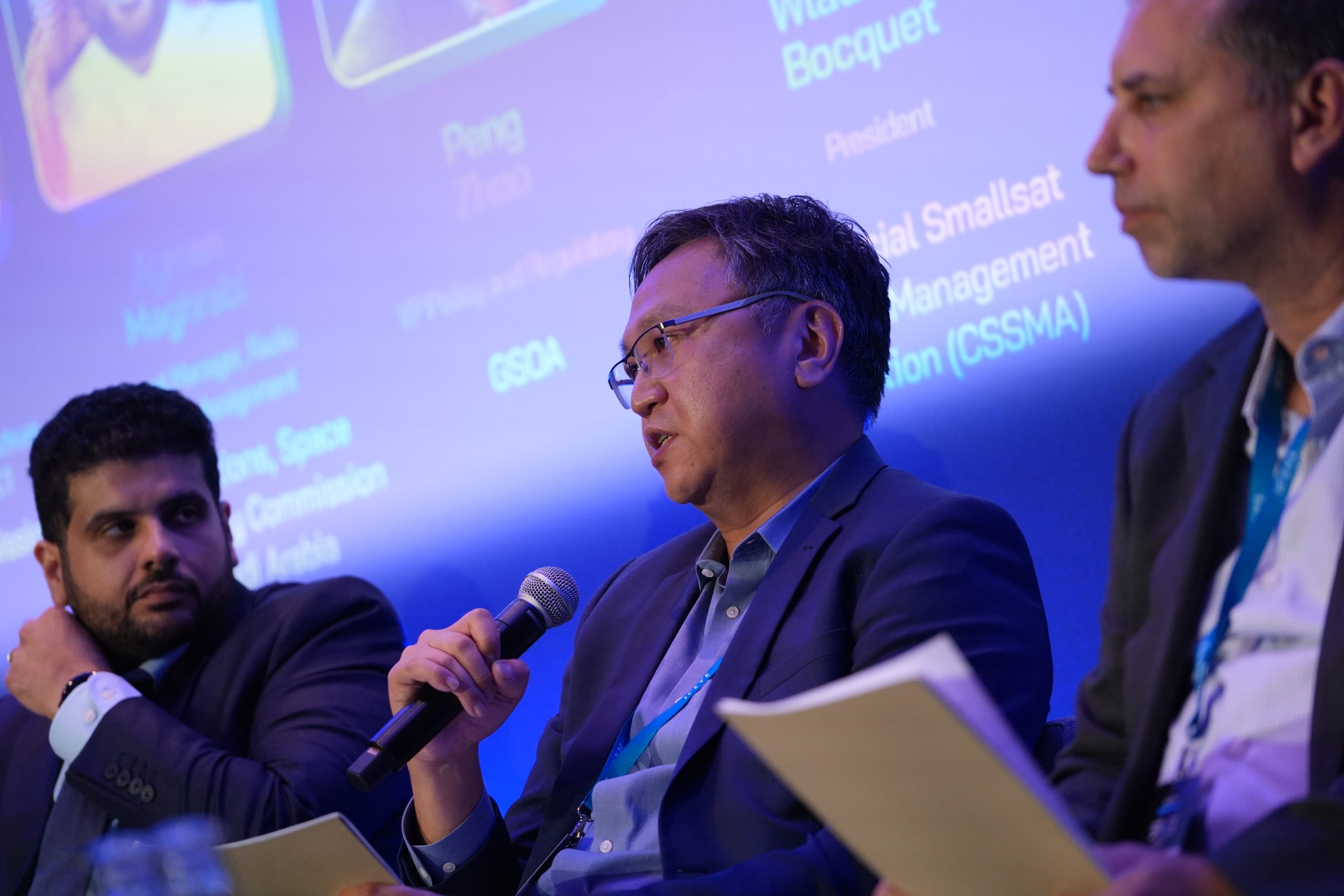
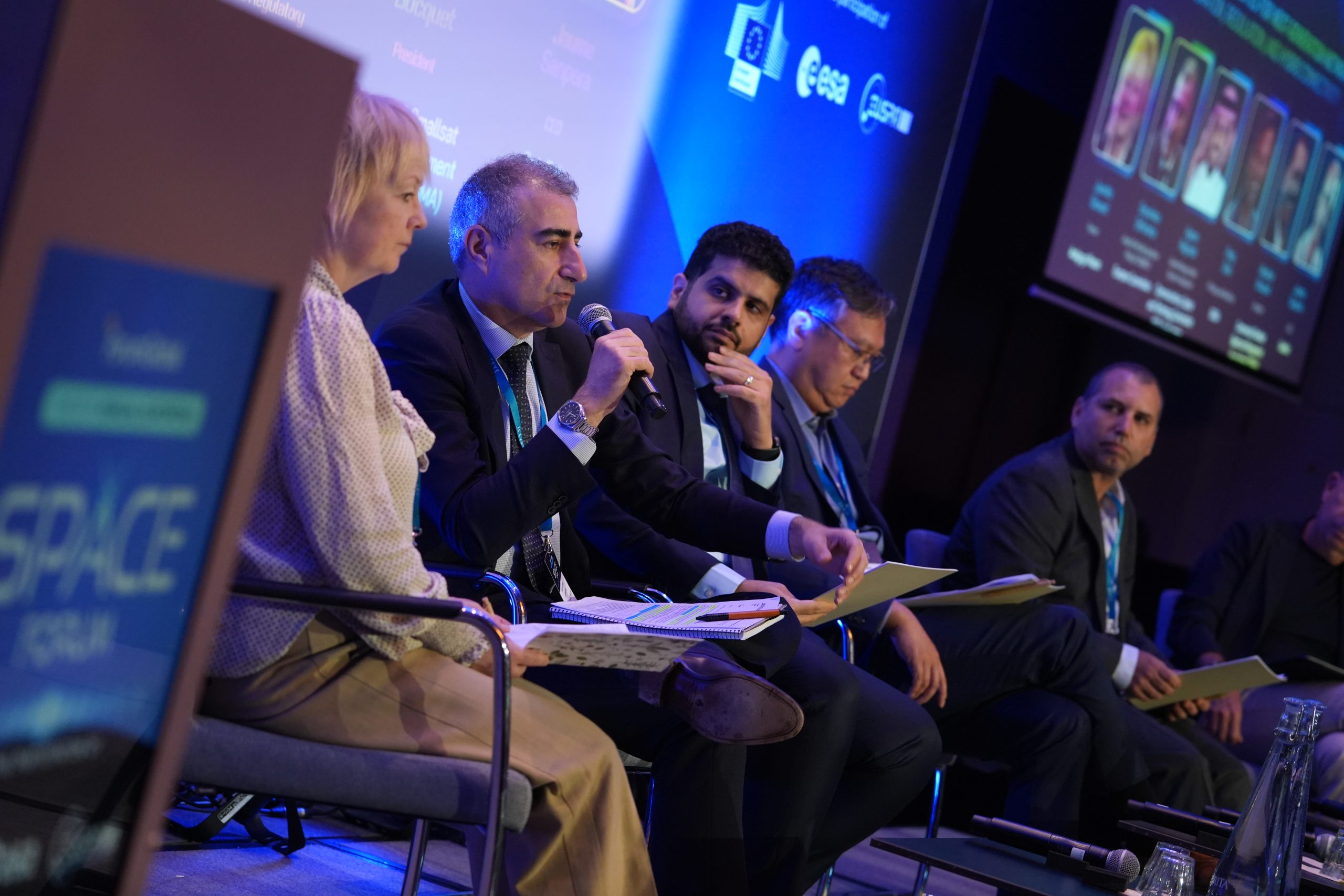
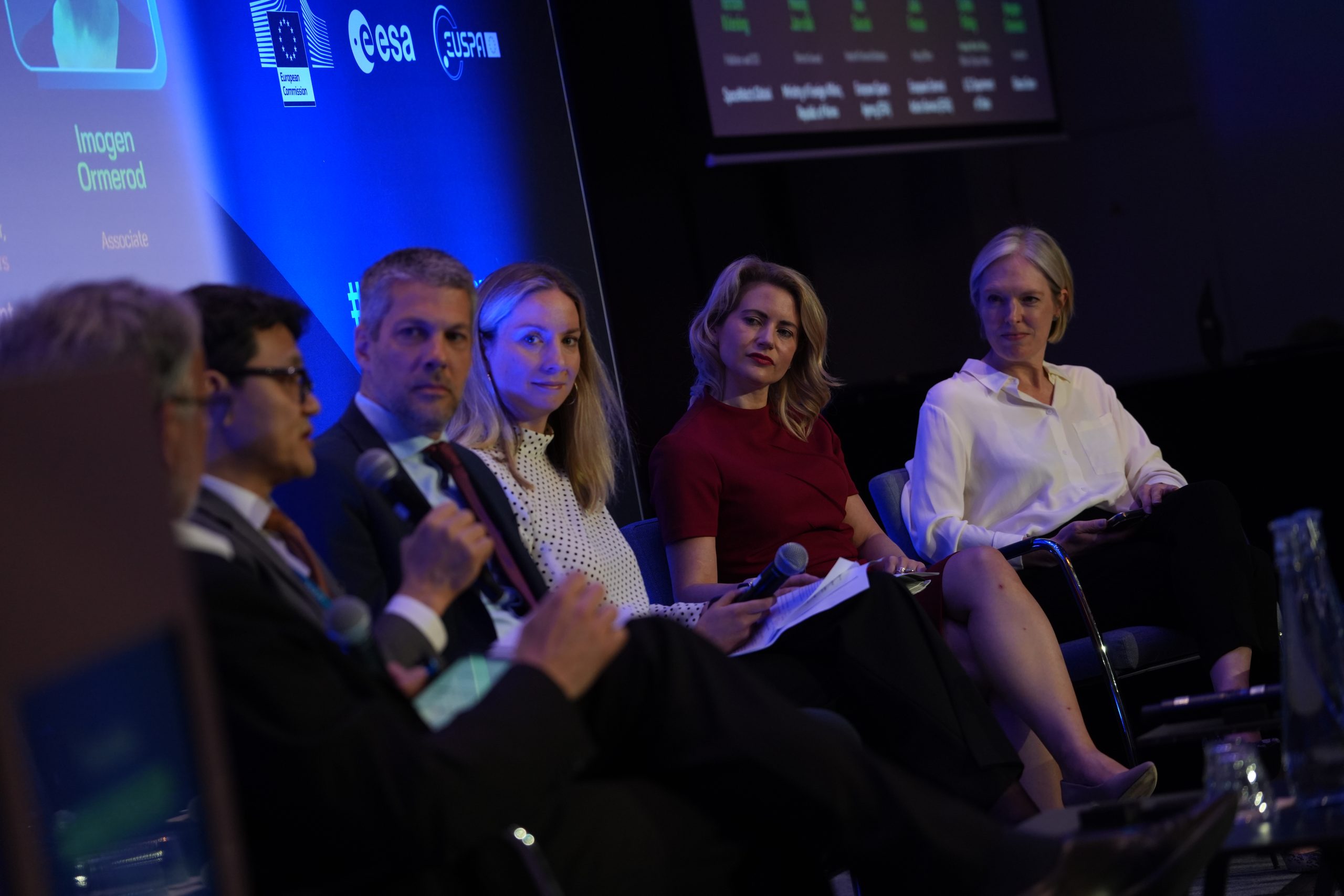
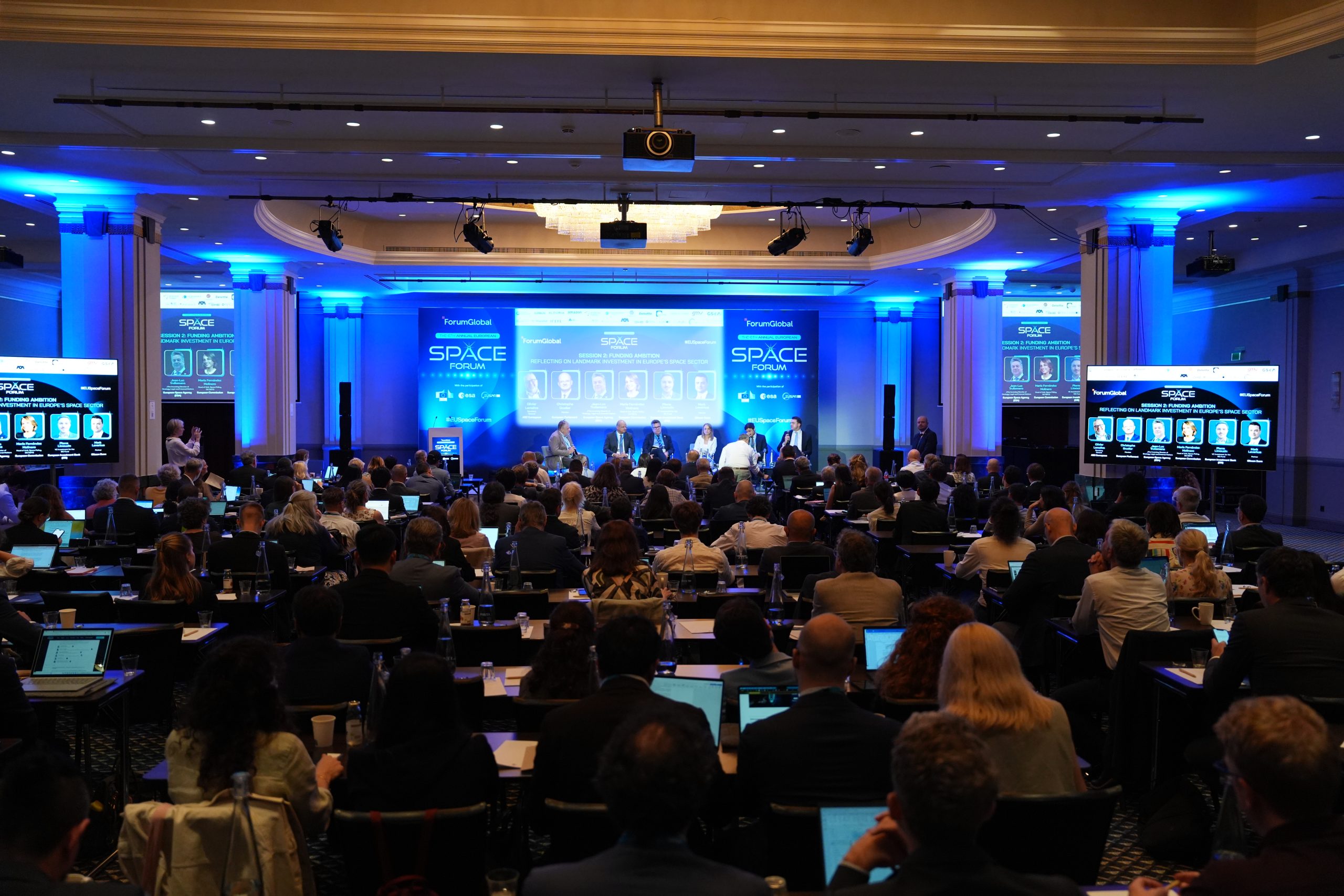
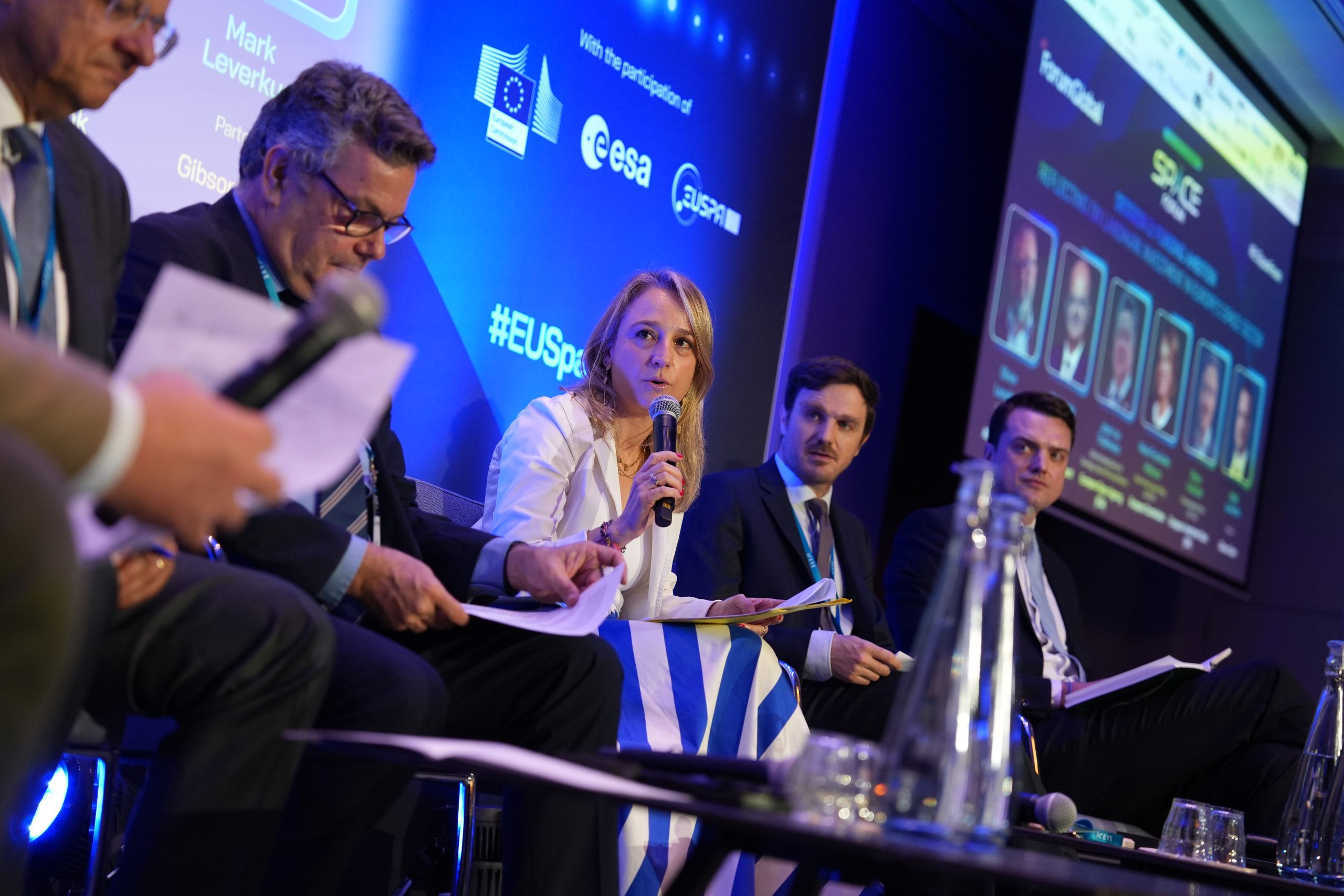
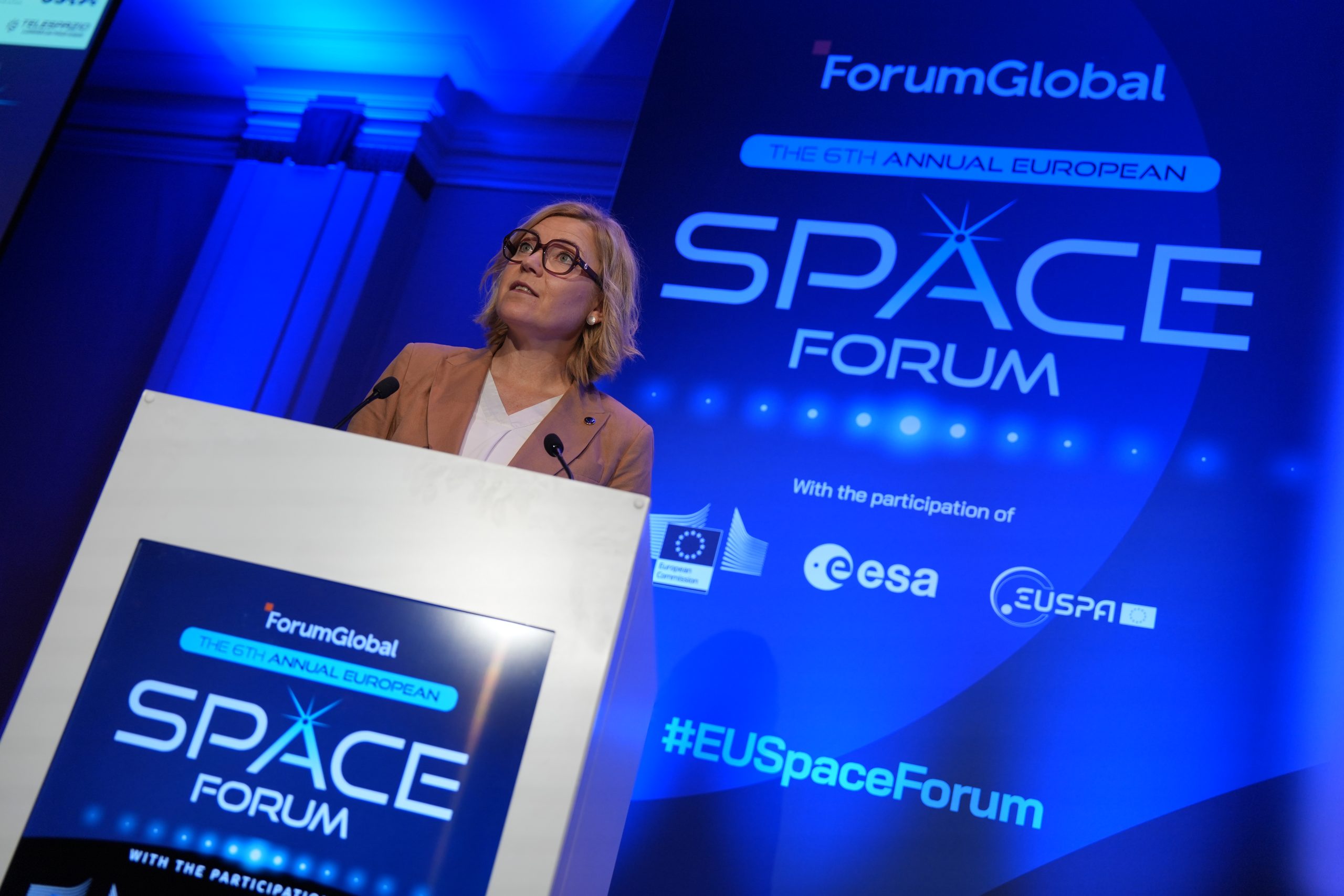
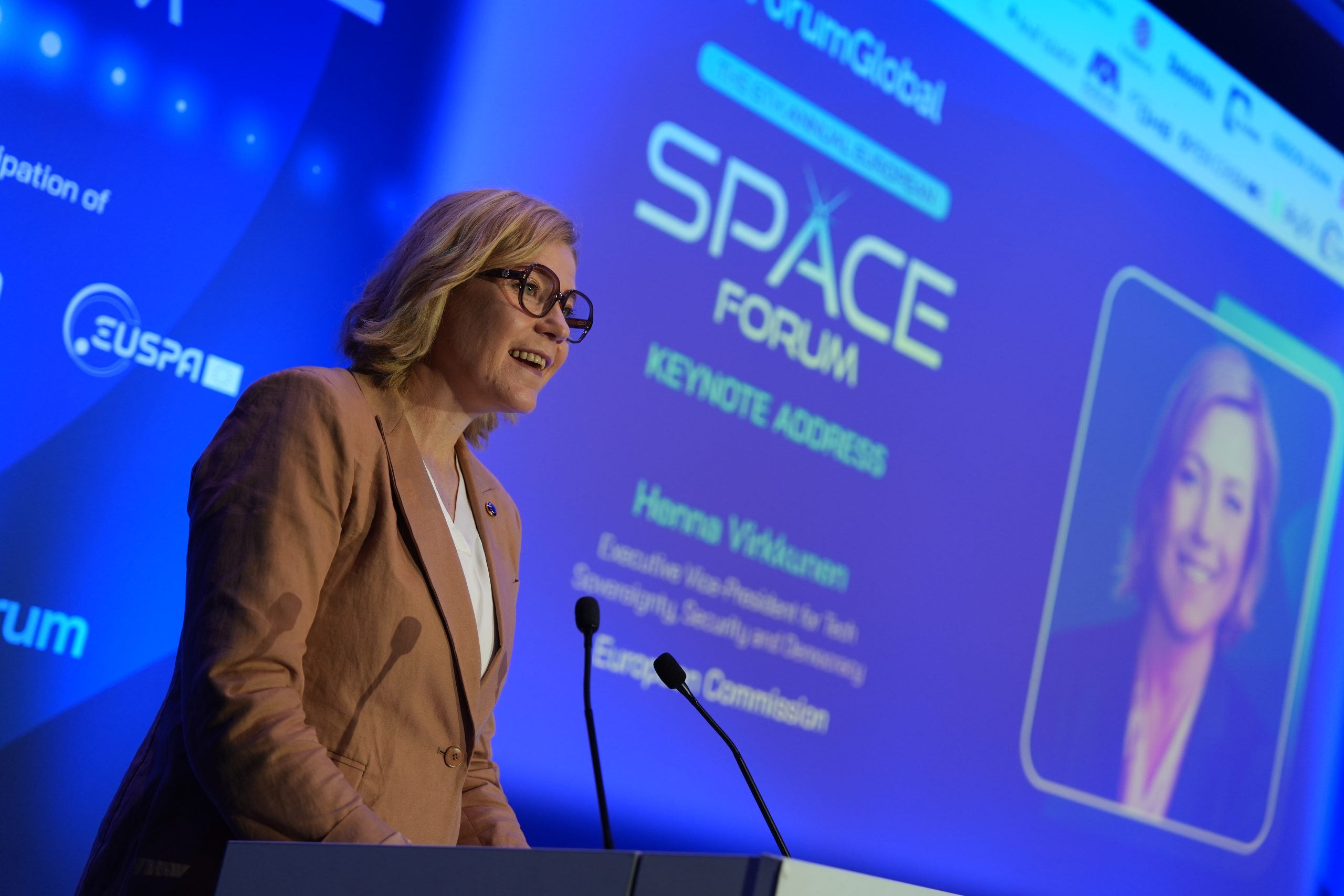
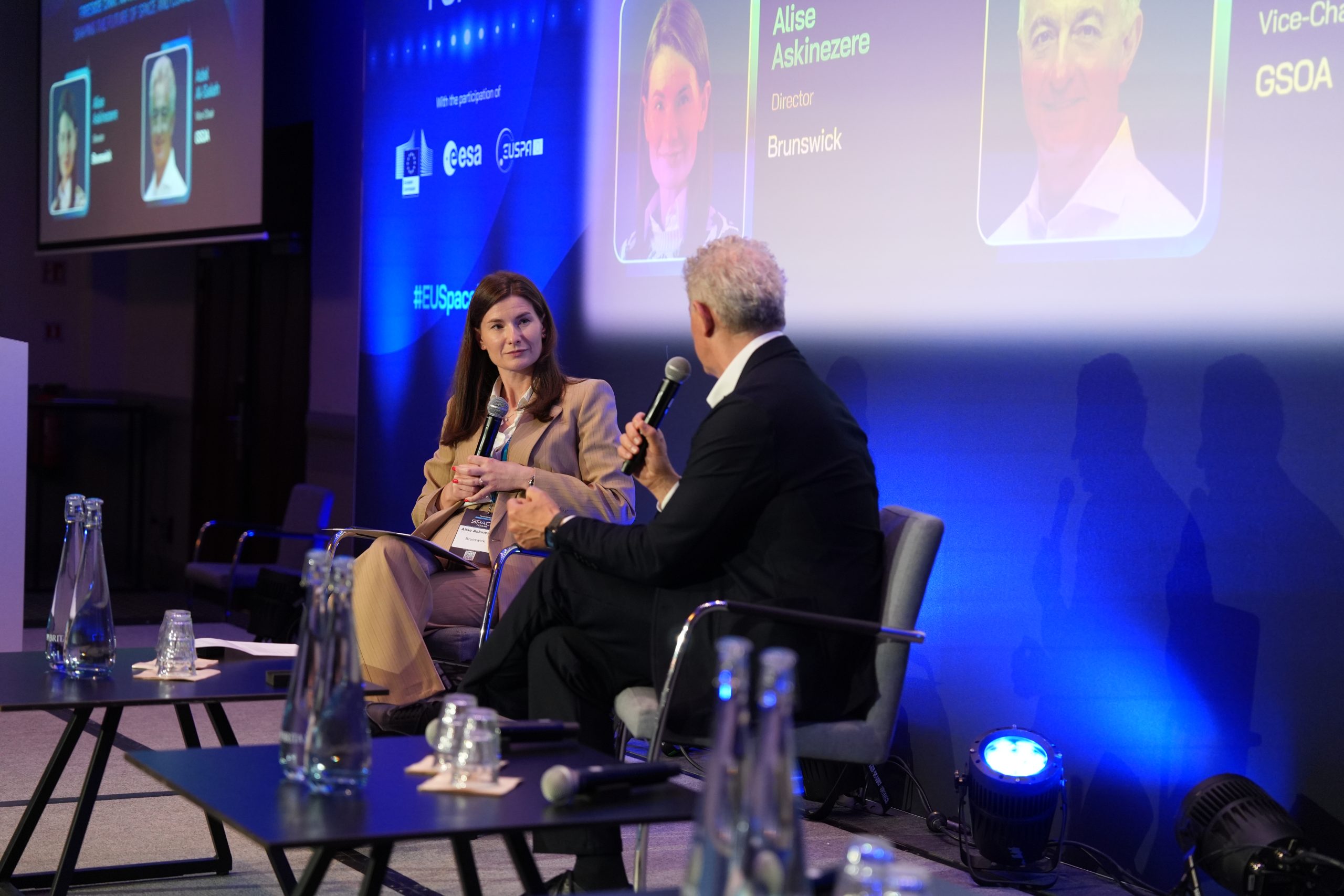
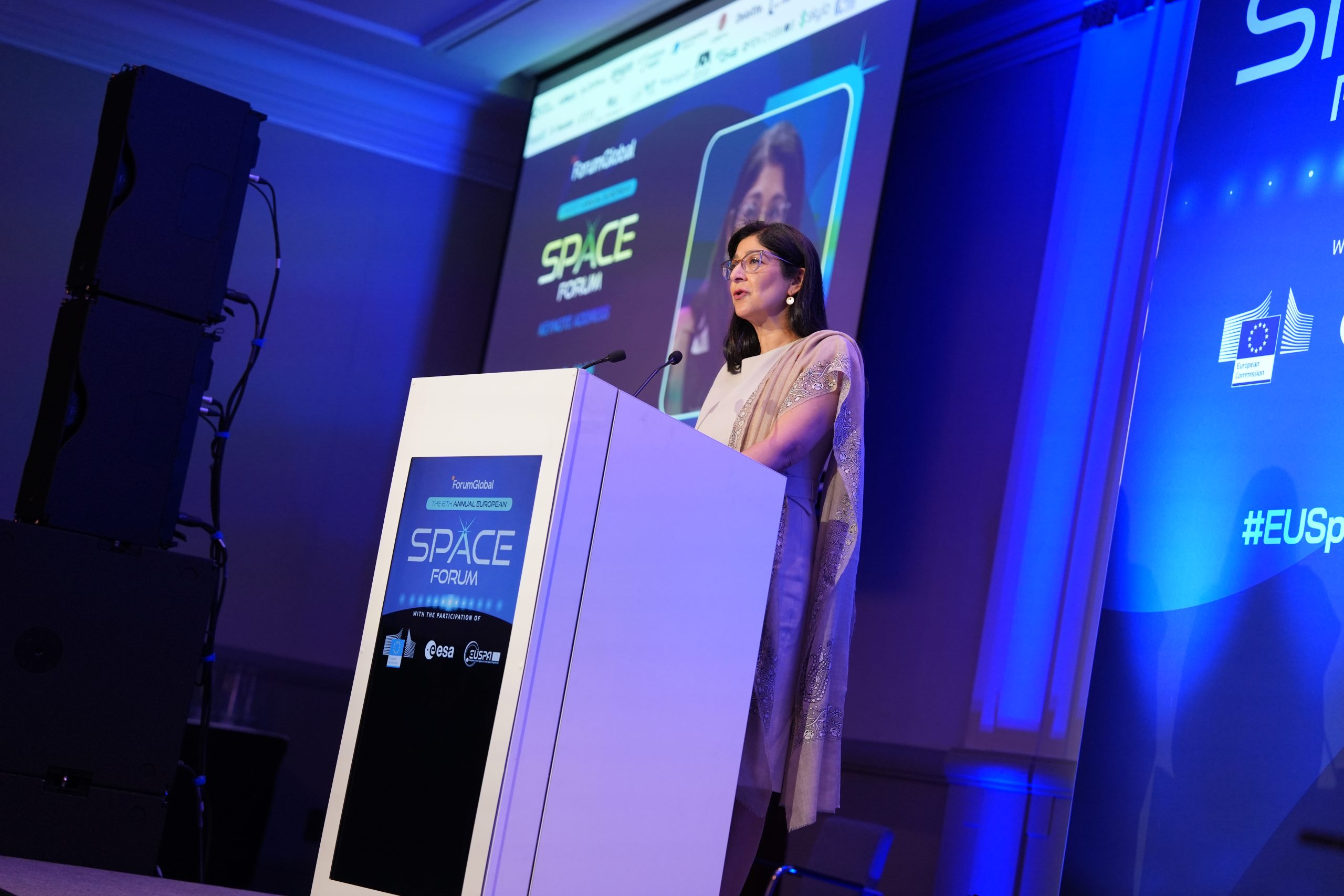
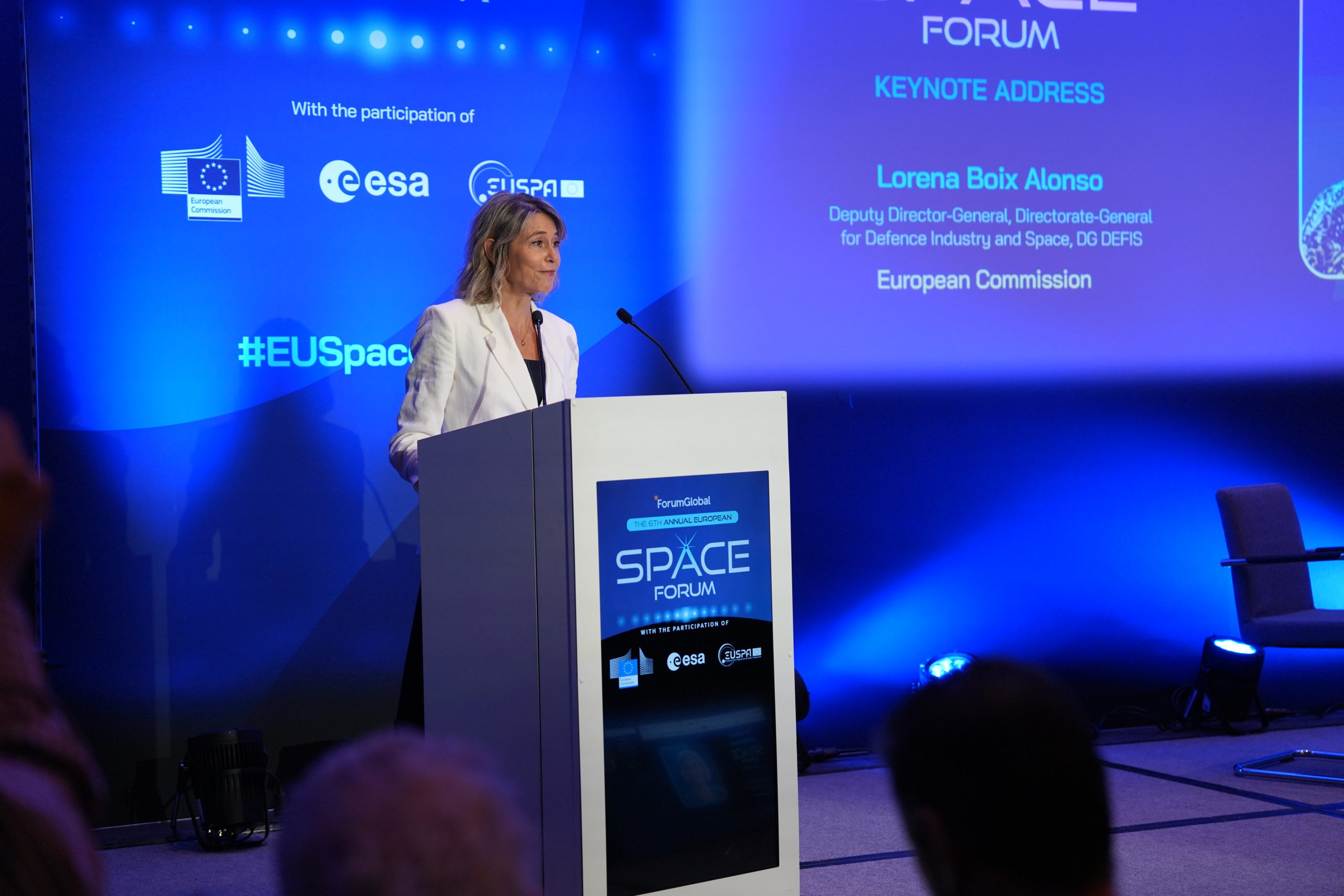
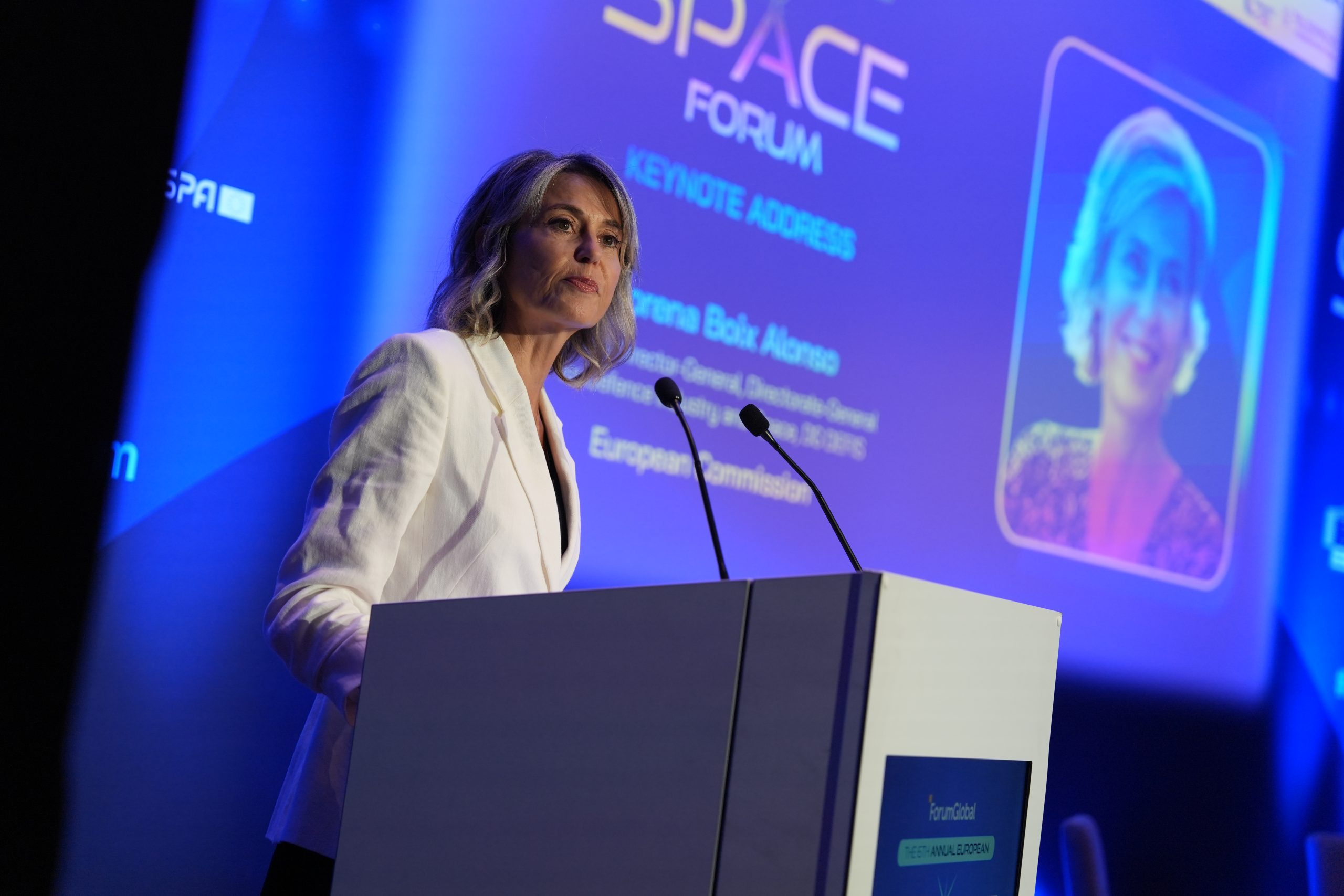
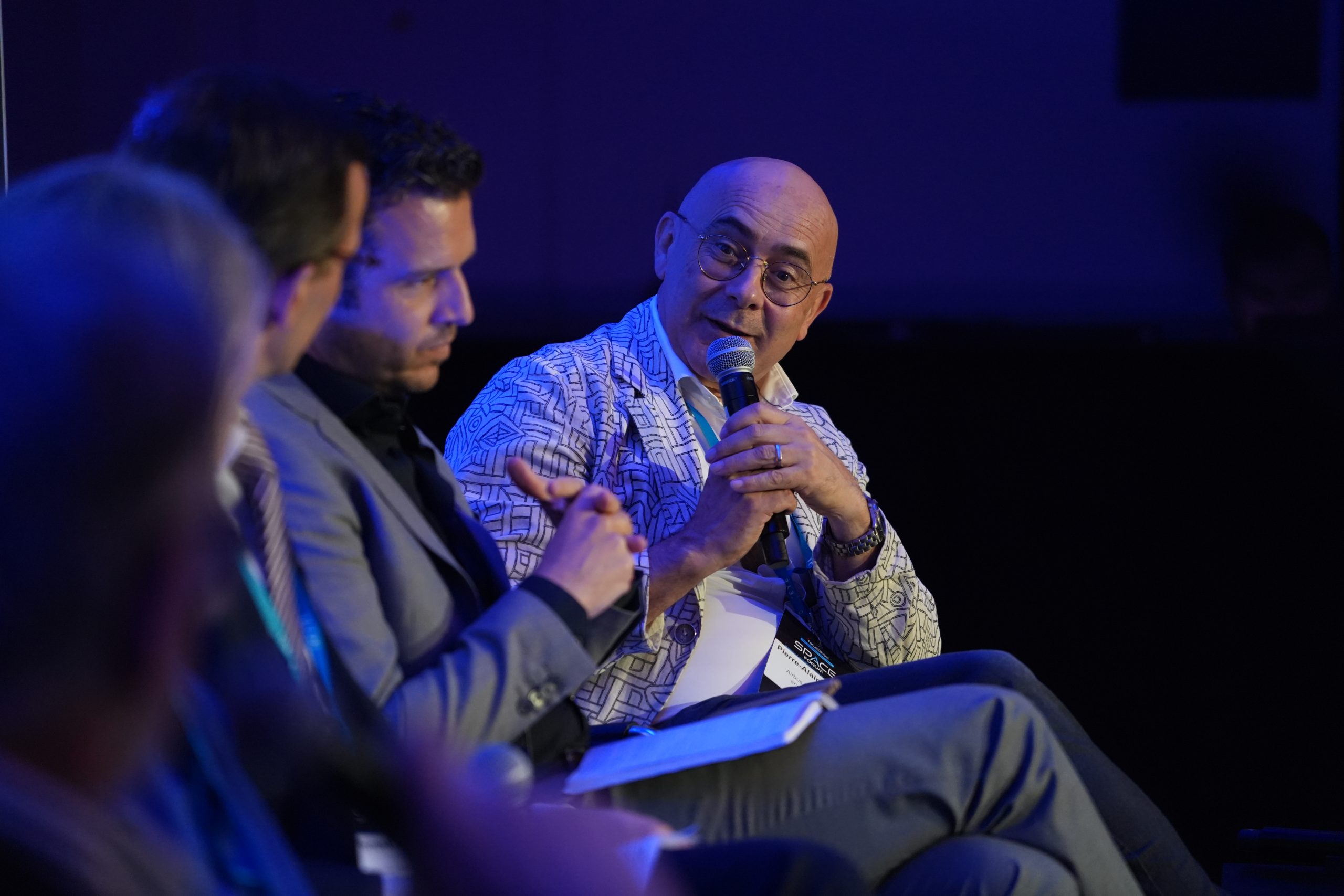
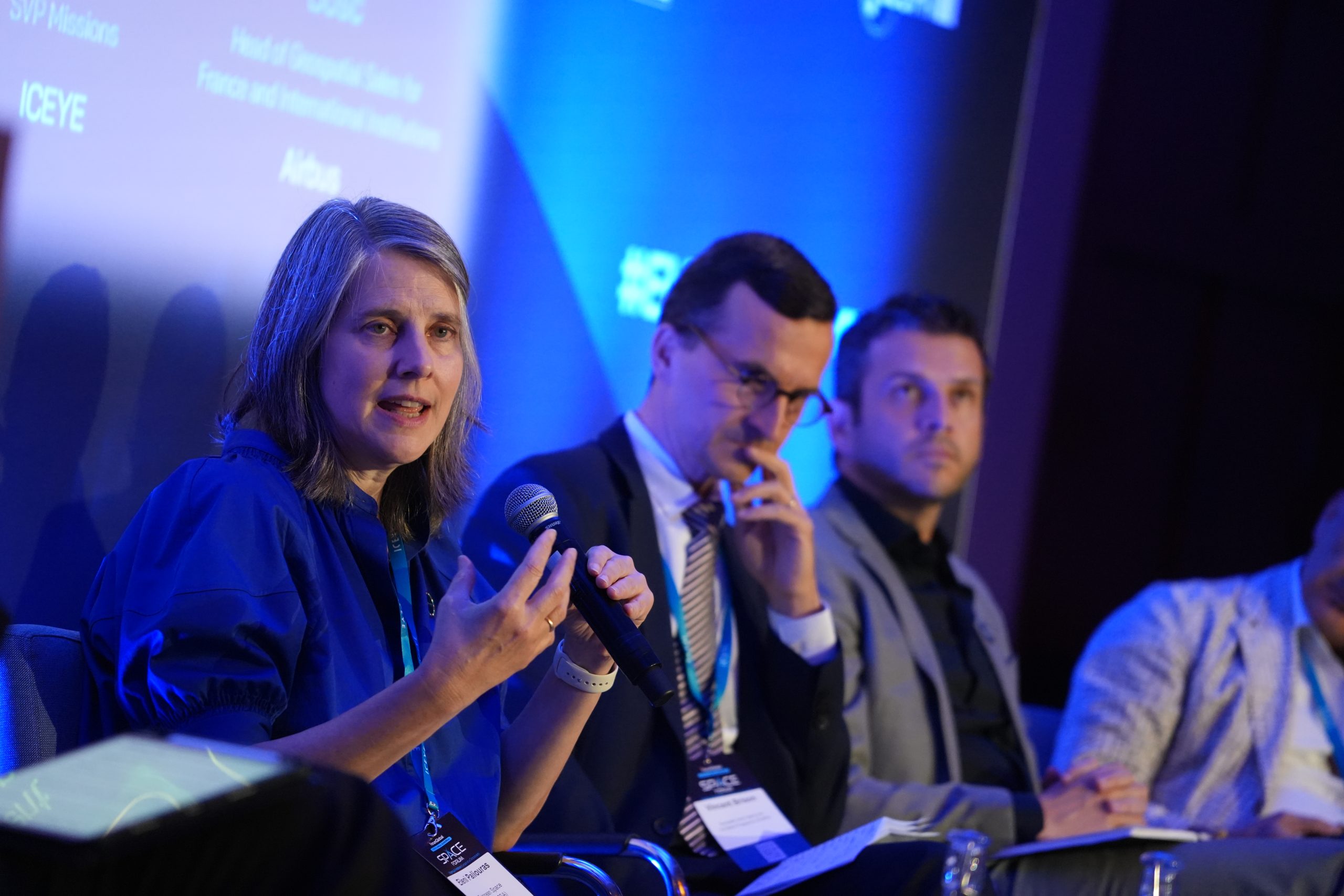
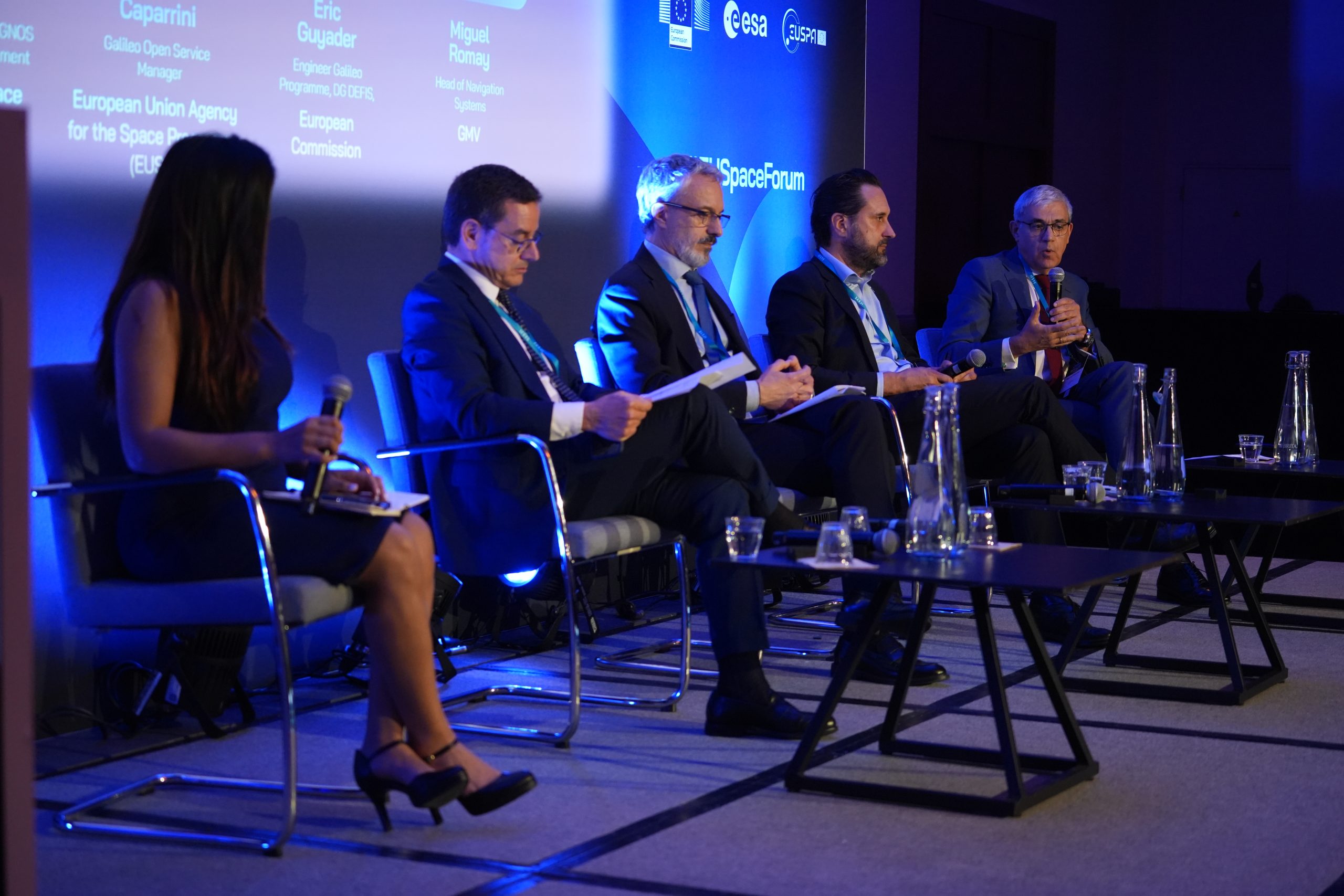
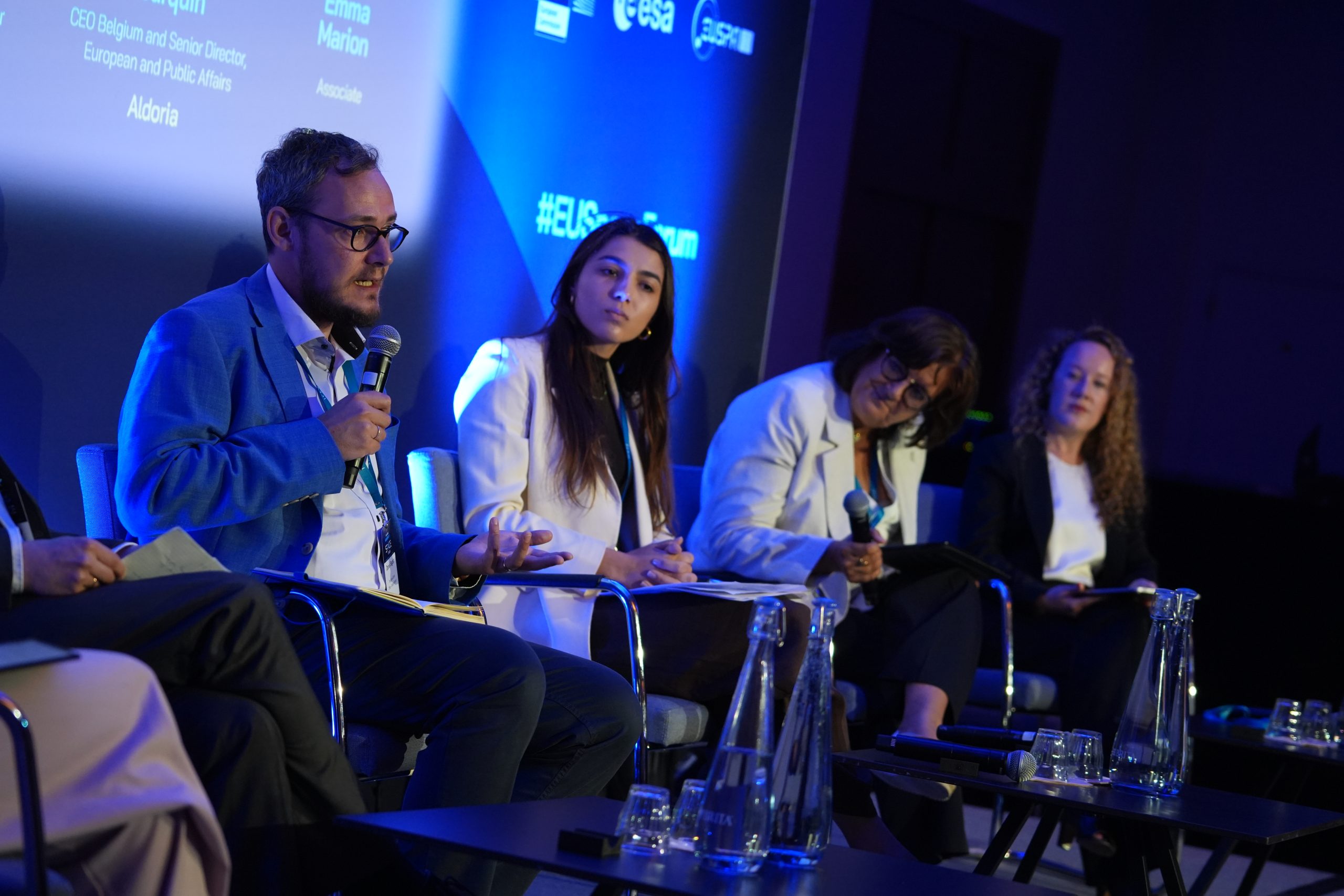
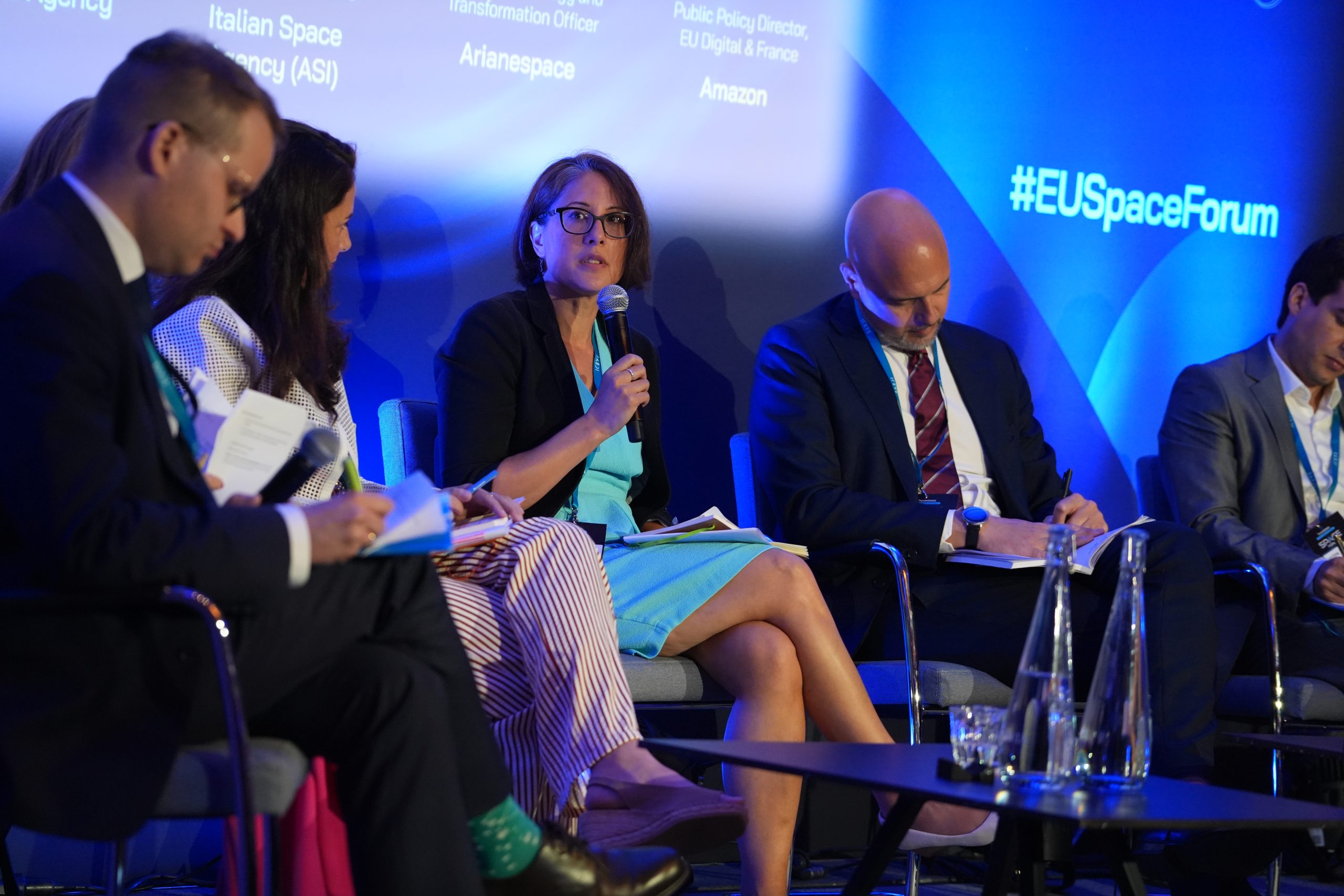
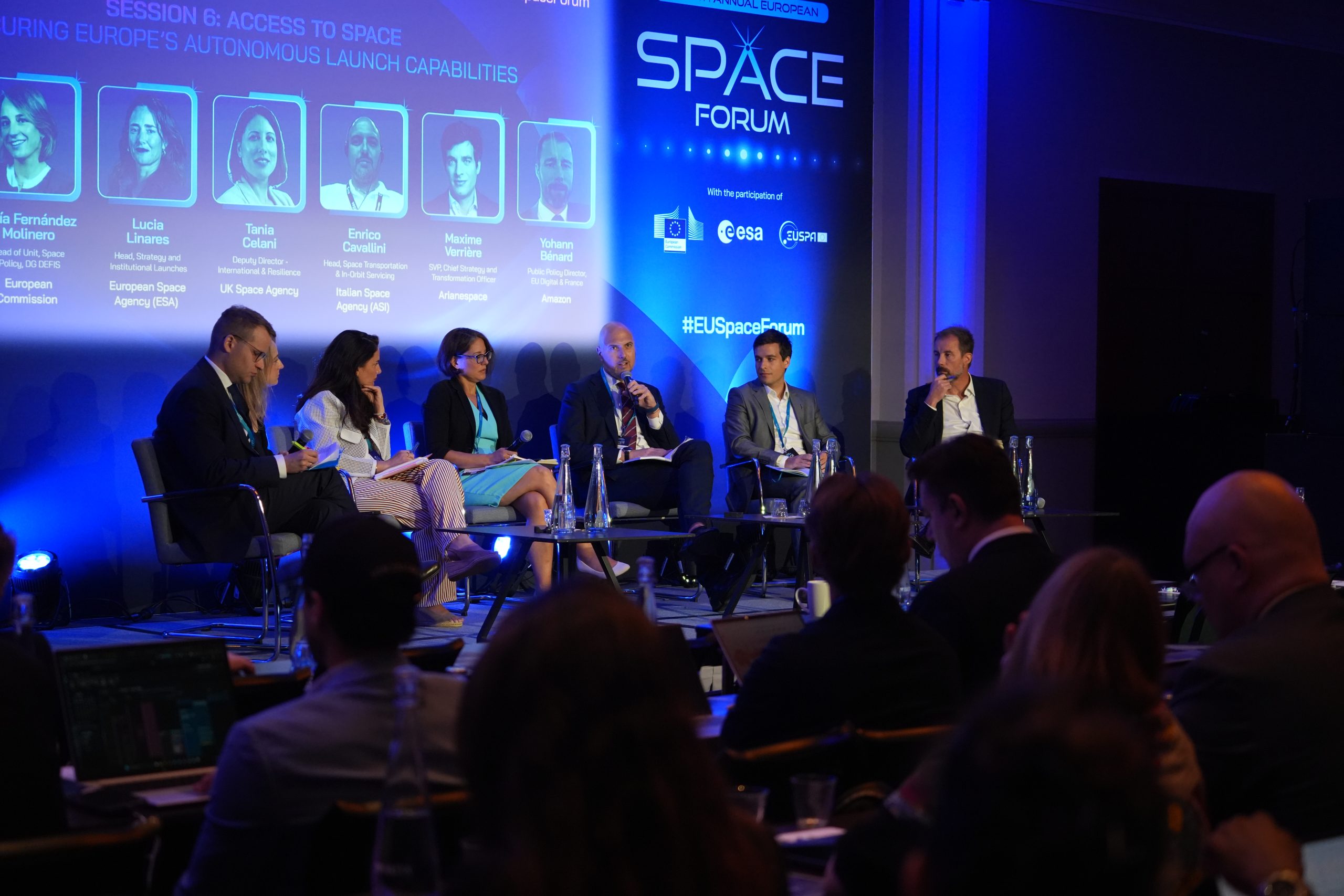
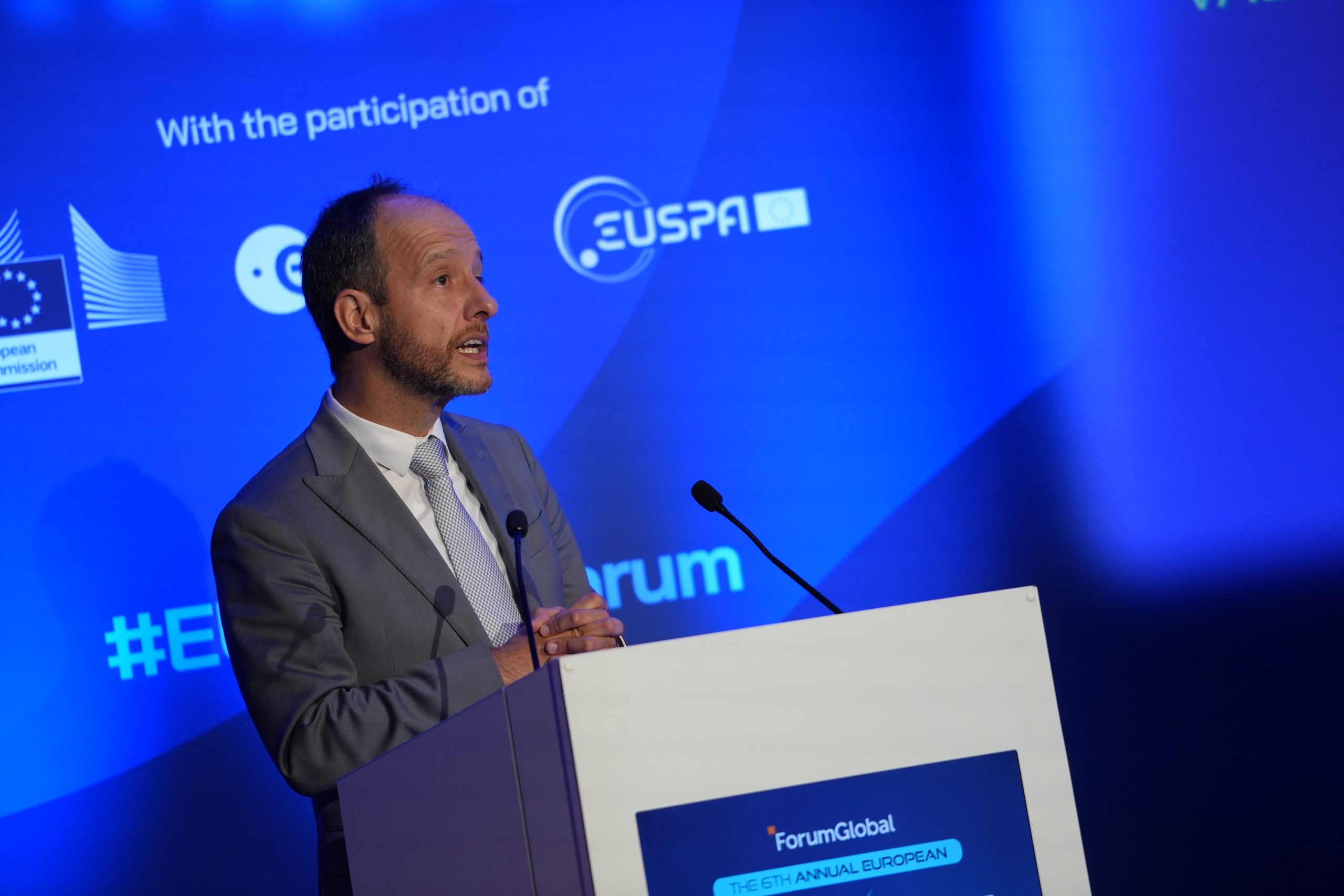
The European Space Forum will return to Brussels on 30 June – 1 July 2026 for its 6th edition. Once again, it will convene senior policymakers, industry leaders, and experts for two days of high-level, in-person debate at a pivotal moment for Europe’s space ambitions.
Under the theme ‘Urgency and Ambition: Europe at a Crossroads’, the 2026 Forum will examine how Europe can translate political intent into operational capability. As competition intensifies, technologies accelerate, and space becomes ever more central to security, sovereignty, and economic growth, discussions will span the full space value chain. Sessions will explore the EU Space Act, funding and industrial competitiveness, sovereignty, launch, connectivity, Earth observation, and international partnerships, with commentary featuring a strong focus on turning strategy into impact.
We are also pleased to announce that the 6th Annual European Space Forum 2026 will be co-locating with the European Space Security Forum: Navigating the Nexus of Space, Security & Sovereignty. This exclusive event will take place on 2 July 2026 at the DoubleTree by Hilton in Brussels. Keep informed by filling in your details here.
We have various speaking, sponsor, and wider visibility opportunities available at the event. Should you be interested in becoming involved at the European Space Forum please contact Sam Ling on space@forum-global.com / +44 (0) 7718 930709.
Navigating the Nexus of Space, Security & Sovereignty
Brussels | 2 July 2026 (Co-located with The European Space Forum)
Held immediately following its partner event, the European Space Forum, the event will bring together senior policymakers, defence and security actors, industry leaders, and key experts to examine how Europe can better protect its space assets, strengthen resilience, and secure freedom of action in orbit.
For more information and to access the event website, please visit
The European Space Security Forum.
Building on the momentum of its inaugural edition, the Americas Space Forum returns in December 2026 as a leading pan-continental platform for dialogue on the future of the space sector across the Americas.
For more information and to access the event website, please visit
Americas Space Forum.
Margrethe Vestager, Executive Vice President, A Europe Fit for the Digital Age, European Commission 2019-present
Executive Vice-President for A Europe Fit for the Digital Age and Competition,
European Commission
2014-2019
European commissioner for Competit
2011-2014
Minister for Economic Affairs and the Interior
2011-2014
Political leader of the Social Liberal Party
2001-2014
Member of Parliament (Frederiksborg County constituency, then North Zealand
greater constituency)
2007-2011
Political leader of the Social Liberal Party and Chairwoman of the parliamentary
group
2000-2001
Minister for Education
1998-2000
Minister for Education and Minister for Ecclesiastical Affairs
1997-1998
Head of secretariat with the Agency for Financial Management and Administrative
Affairs
1995-1997
Special consultant with the Agency for Financial Management and Administrative
Affairs
1993-1995
Head of section at the Ministry of Finance
1993
Master of Science in Economics, University of Copenhagen
Executive Vice President, A Europe Fit for the Digital Age
European Commission
Thierry Breton Commissioner, Internal Market, European Commission Thierry Breton is the EU Commissioner for Internal Market, in charge of industry, digital, space, defence, audiovisual and tourism. Engineer in computer science, he began his career as an entrepreneur in the IT sector. A French business leader, he was CEO of Thomson electronics (1997-2002), France Telecom (2002-2005) and Atos (2009-2019). French Minister of the Economy, Finance and Industry (2005-2007), he was a teacher at Harvard (2007) and authored a number of technology thrillers published in more than 40 languages.
Commissioner, Internal Market
European Commission
Josef Aschbacher, Director General, European Space Agency (ESA) Josef Aschbacher, of Austrian nationality, is a geophysicist by education. He joined ESA in 1990. Throughout his career he held various positions in different locations. He also worked for the European Union. In 2016 he became ESA’s Director of Earth Observation, and in 2021 he took office as ESA’s Director General.
Director General
European Space Agency (ESA)
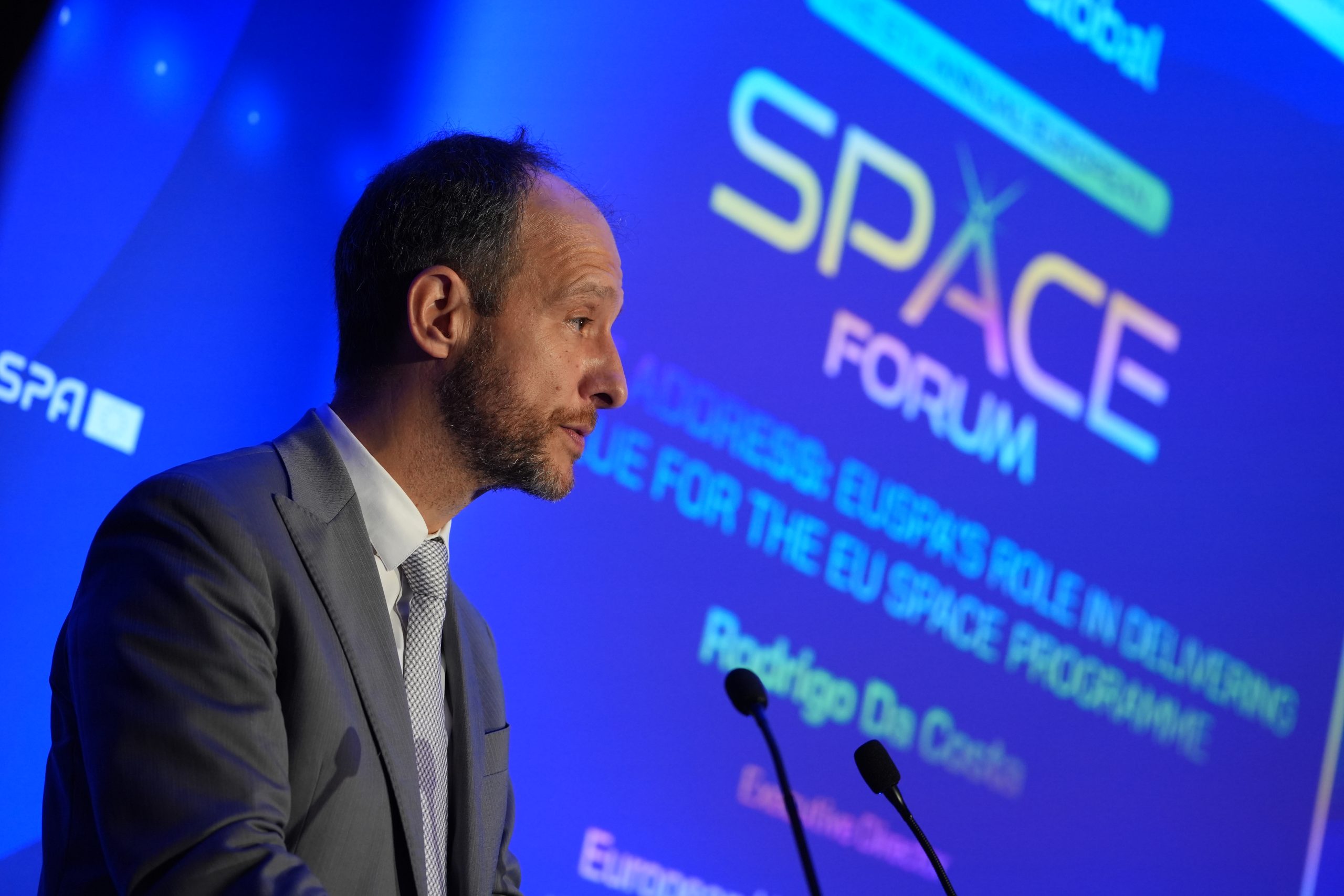
Rodrigo da Costa, Executive Director, European Union Agency for the Space Programme (EUSPA) On 16 October 2020, Rodrigo da Costa took up his duties as Executive Director of the European Union Agency for the Space Programme (EUSPA), formerly the European GNSS Agency (GSA). Prior to this, he was the Galileo Services Programme Manager from March 2017.
EUSPA is an Agency of dedicated EU professionals working for a stronger, more competitive and united European Space Programme, creating synergies between satellite navigation (EGNOS & Galileo), Earth Observation (Copernicus) and secure telecommunications (GOVSATCOM). EUSPA designs and delivers user-centered services working together with the European Commission and a wide range of national, European and international stakeholders, industries and user communities. The EU Space Programme is both a resource and a springboard for the European economy, competitiveness and sustainability.
Before joining EUSPA, Rodrigo da Costa held several senior project management, business development, and institutional key account management positions in the space industry, in the areas of human space flight, exploration, launchers and R&D.
Rodrigo da Costa holds a degree in Aerospace Engineering from the “Instituto Superior Tecnico” in Lisbon, a Master’s degree in Aerospace Engineering from the University of Delft, and an MBA from the EuroMBA consortium of Business Schools.
Executive Director
European Union Agency for the Space Programme (EUSPA)
Aarti Holla Maini, Director, United Nations Office for Outer Space Affairs (UNOOSA) United Nations Secretary-General António Guterres announced on 26 June 2023 the appointment of Aarti Holla-Maini of the United Kingdom as Director of the United Nations Office for Outer Space Affairs (UNOOSA) in Vienna.
She will succeed Simonetta Di Pippo of Italy, to whom the Secretary-General is grateful for her commitment and dedicated service to the Organization. The Secretary-General also wishes to extend his appreciation to the Chief, Committee, Policy and Legal Affairs Section, Niklas Hedman, who will continue to serve as Acting Director of UNOOSA until Ms. Holla-Maini assumes this position.
UNOOSA works to promote international cooperation in the peaceful use and exploration of space, and in the utilisation of space science and technology for sustainable economic and social development.
Ms. Holla-Maini brings to this position over 25 years of professional experience in the space sector including in managerial and advocacy functions. Most recently, she has held the role of Executive Vice-President Sustainability, Policy & Impact at NorthStar Earth & Space; prior to which she spent over 18 years as Secretary-General of the Global Satellite Operators Association.
Ms. Holla-Maini’s experience includes service as a member of the World Economic Forum’s Global Future Council on Space; member of the Advisory Group of the Space Sustainability Rating managed by eSpace at the École Polytechnique Fédérale de Lausanne (EPFL) Space Center; member of the Advisory Board of the Satellite Industry Association of India; Senior Space Policy Adviser to Forum Europe and as Expert Adviser on Space Traffic Management for European Union studies 2021-2023. She was also one of the chief architects of the Crisis Connectivity Charter established in 2015 for emergency telecommunications via satellite with the UN World Food Program’s Emergency Telecommunications Cluster.
Ms. Holla-Maini holds a bachelor’s degree in law with German law from Kings College London, UK, a master’s degree in business administration from HEC Paris, France, and she is also an alumna of the International Space University. She is fluent in English, French, German and Punjabi and has moderate knowledge of Dutch.
Director
United Nations Office for Outer Space Affairs (UNOOSA)
Timo Pesonen Director-General for Defence Industry and Space (DG DEFIS), European Commission Timo Pesonen is the current Director-General of DG DEFIS (Defence Industry and Space).
After graduating in 1989 in International Politics from the University of Tampere, he stayed in his home country to serve as an attaché at the Ministry for Foreign Affairs. He then left for Brussels and the Embassy of Finland, where he worked with Foreign and Security policy including accreditation to NATO and WEU for four years.
The year 1995 marked his appointment as national expert for DG RELEX (External Relations) and then he worked as the spokesman for Commissioner Erkki Liikanen, 1996-1997.
From 1997 to 2002, he served as Foreign Policy Adviser to the Prime Minister of Finland, Paavo Lipponen. He also undertook an advisory mission during the Kosovo peace negotiations for the President of Finland, Martti Ahtisaari.
After working at the European Commission Representation in Helsinki as Acting Head between 2003-2004, he acted as Head of Cabinet of Vice-President Olli Rehn for 10 years. He became Deputy Director-General of DG COMM (Communication) in 2014 and was appointed as Director-General the following year. Taking the helm of DG GROW (Internal Market, Industry, Entrepreneurship and SMEs) in March 2019, he accompanied the creation of DG DEFIS in 2020 as the head of the new Directorate-General.
In addition to his native Finnish, Timo Pesonen speaks English, Swedish and French.
Director-General for Defence Industry and Space (DG DEFIS)
GSOA
Miguel Belló, Director General of the Spanish Space Agency – AEE & Commissioner of the Aerospace, Spain Miguel Belló is the Commissioner for Aerospace Recovery Plan at the Ministry of Science and Innovation of Spain, with responsibility of a 4,5 B€ program for the sector and the implementation of the Spanish Space Agency. He was also CEO of the Atlantic International Research Centre (AIR Centre), international non-profit organization to develop scientific and technological applications in the Atlantic region with Headquarters in Azores Islands (Portugal). Miguel has been entrepreneur in the European Space sector involved in the management of International Space Programs and Institutions with 40
years of experience in the space sector. Promoter of the DEIMOS 1 (launch 2009) and DEIMOS 2 (launch 2014) Earth Observation satellites and responsible of its operations and downstream applications.
Miguel was founder and CEO of all companies in DEIMOS Group in Spain, Portugal, United Kingdom, Romania and Italy. He is expert in Space Systems Engineering, Earth Observation systems and applications, Mission Analysis, Flight Dynamics, Interplanetary Mission Design and Space Debris.
Miguel holds a PhD in Aerospace Engineering at the Flugmechanik Institut, Zentrum fur Luft- und Raumfahrttechnik, Technische Universität Braunschweig (Germany), in 1993, a M.S. Degree in Aeronautical Engineering, at Universidad Politécnica de Madrid, in 1983, with end of Studies Honour Award and a General Management Programme (MBA), in 2000-2001, at IESE (Madrid).
Miguel is member of the Board of Trustees and Full Member for Section 2 (Engineering Sciences) of the International Academy of Astronautics (IAA), Member of the Astrodynamics Committee of the International Astronautical Federation (IAF), Chairman of the Mission and Constellation Design Session of the IAC Astrodynamics Symposium and member of the Space Traffic Management Committee of the IAA. Miguel was also Member of the European Space Agency Space Debris Advisory Group (SDAG) andInvited Professor on Space Debris Environment at the Universidad Politécnica in Madrid and Celestial Mechanics at La Sapienza University in Rome.
Director General of the Spanish Space Agency – AEE & Commissioner of the Aerospace
Spain
Marcin Mazur, President, Polish Space Agency (POLSA) Colonel Marcin Mazur is the Vice President of the Polish Space Agency (POLSA) – an executive agency of the Ministry of Economic Development and Technology, est. 2014. POLSA supports the Polish space industry, cooperates with international agencies and public administration in the field of exploration and use of Outer Space.
Col Mazur’s goal is to execute the Polish Space Strategy issued in 2017, which is in compliance with both the Space Strategy for Europe 2016 and the NATO Overarching Space Policy 2019, and implement the National Space Programme 2022-2026.
Col Mazur’s responsibility in POLSA is to systematize security and defence activities, in particular the development of dual-use capabilities which may apply for military and civilian applications:
Colonel Mazur was commissioned in 1998 and promoted to his first officer’s rank, 2nd lieutenant, in 2002. He graduated from the Military University of Technology in Warsaw with a Master’s Degree in Topography and Mapping. He started his career as a Geospatial Officer at the 6 th Independent Geographical Unit in Torun where he became the leader of Mobile Geospatial Support Team dedicated for NATO Response Forces. Following that Colonel Mazur served at the Joint Force Command Brunssum, the Netherlands, in the Geospatial Support Section, J2 Intelligence Division and as an IMINT Officer at the Military Geographical Centre in Warsaw from where he was assigned in 2012 to the General Staff of the Polish Armed Forces, P2 Intelligence Division, Imagery Intelligence Branch. As an Intelligence Officer, he was also appointed as a Part-time Inspector for Treaties on Conventional Arms Control in Europe (CFE) and Vienna Document 2011 (VD11) inspections. In August 2017 he became the IMINT Branch Head and in January 2019 was promoted to Colonel rank. As the IMINT Branch Head he was responsible for defining Earth Observation (EO) and Space Situational Awareness (SSA) military requirements. He was the co-chairman of the Polish-Italian Operational Working Group with regards to the COSMO SkyMed (CSK) and OPTSAT-3000 systems. Nationally he served the Chairman role of the Inter-ministerial Earth Observation Task Group.
Vice President
Polish Space Agency (POLSA)
Julie Kearney, Partner & Co-Chair, Space Exploration and Innovation Practice, DLA Piper Julie Kearney is a Co-Chair of the Space Exploration and Innovation Practice and a partner in the Telecom group at DLA Piper. She is a globally recognized and dynamic lawyer in the technology, satellite, space, and telecommunications field. For more than 25 years, Julie has worked with governments, industries, and the public sector around the world to promote legal and regulatory frameworks and policies that enable life-changing technologies.
As the first Chief of the Space Bureau at the Federal Communications Commission (FCC), Julie represented and spoke for the Chairwoman and Commissioners on satellite and space-based communication matters and represented the Commission at the domestic and international level. Under Julie’s leadership, the FCC unanimously adopted several regulatory frameworks and launched initiatives to successfully advance industry leadership in the New Space Age. Additionally, during her tenure as Chief, the FCC adopted a regulatory structure for Supplemental Coverage from Space, which made the FCC the first regulator in the world to issue a framework for connecting satellites directly to consumer handsets using spectrum previously allocated only to terrestrial service.
Before joining the FCC, Julie served as the Vice President of Communications Regulatory Affairs and Policy at Twilio Inc., a publicly traded Communications Platform as a Service (CPaaS) provider, where she developed and implemented the company’s global telecommunications regulatory and policy and law enforcement response strategy. She also served as the Global Head of Communications Regulation and Policy for Loon, an Alphabet Inc. company, where she led international and US regulatory initiatives to bring internet access to unserved and underserved communities around the world via a network of balloons on the edge of space. She also held roles at the Consumer Technology Association, National Public Radio, MCI, and private legal practice.
Julie is a past president of the Federal Communications Bar Association (FCBA – The Tech Bar) and she also served as chair of the FCBA Foundation. She was a long-serving member of the Federal Communications Commission’s Consumer Advisory Committee and also served on its Broadband Deployment Advisory Committee. Other Board positions include USTelecom and the United States Technical Training Institute (USTTI).
Julie earned her B.A. from Mount Holyoke College and a J.D. from Catholic University’s Columbus School of Law, with a certificate from its Law and Technology Institute. She recently completed a 3.5 year term on the Columbus School of Law’s Board of Visitors. A trained singer, she has sung with choruses in the San Francisco Bay Area and Washington, DC area, most recently with Schola Cantorum (CA) and the Choral Arts Society of Washington (DC).
Partner & Co-Chair, Space Exploration and Innovation Practice
DLA Piper
Thomas Dermine, State Secretary for Economic Recovery and Strategic Investments, Government of Belgium Thomas Dermine, born on 1 May 1986 in Charleroi, is a French-speaking Belgian economist and politician who is a member of the Socialist Party. Since 1 October 2020, he has been a member of the Belgian government, deputy to the Minister for the Economy and Labour, as State Secretary for Economic Recovery and Strategic Investment with responsibility for Science Policy, in Alexander De Croo’s federal government.
State Secretary for Economic Recovery and Strategic Investments
Government of Belgium
Note: All timings are in Central European Summer Time (CEST).
*** TIMES ARE IN CET ***
Unveiled last week, the EU Space Act (EUSA) has set forth an ambitious vision for the sector. Set to apply from 2030, it is structured around three key pillars: safety, sustainability, and resilience; and aims to replace the current patchwork of national-level laws and create a single market for space activities across the region. This session will explore the primary objectives of the EUSA, and the measures that are being proposed in order to deliver these. It will look at the next steps for stakeholders, as well as the role that the EUSA can play as part of the broader regulatory framework to address competitive disadvantages and foster a unified, dynamic, and resilient space market.
The European Commission’s ‘Vision for the Space Economy’ was related last week with the aim to position the EU as a global leader in the space economy by 2050. Establishing over 40 targeted actions to strengthen the EU’s space ecosystem, the Vision marks the first time the European space economy is addressed as a comprehensive ecosystem, spanning its industrial base as well as orbital and emerging beyond-orbital domains. This session will examine the objectives and strategic priorities of the Vision and explore how it can build on existing European wide efforts to effectively advance these key goals. Exploring how stakeholders are working to overcome challenges to operationalise their ambition, panelists will outline their expectations for the future of European competitiveness, and how they are accelerating innovation and commercialisation in a rapidly evolving global industry.
In December 2024, the European Commission, with the technical support of the European Space Agency (ESA), achieved a key milestone in Europe’s space ambitions by finalising a concession contract with the SpaceRISE consortium, thus transitioning IRIS² from concept to implementation. As efforts now shift towards building a secure and resilient satellite constellation – set to begin providing services in early 2030 – this session will examine the next steps for IRIS². With the consortium established, it will look at the timeline ahead and how stakeholders are collaborating to achieve the goals of this pivotal ambition.
Flagships of the EU Space programme – Copernicus, Galileo, and the newly launched IRIS² – are critical pillars of the continent’s space presence and ambition. These initiatives not only enhance Europe’s technological and economic competitiveness but also address important defence, security, and sustainability challenges in an evolving global landscape. The following sessions explore the future of these programmes, reflecting on lessons from past successes and identifying strategies to ensure their continued key contributions to Europe’s broader space ambitions.
Galileo and Copernicus, the existing pillars of the EU Space Programme, remain just as vital to the EU’s space ambitions today as they were at their inception. With the new Commission reaffirming its commitment to these projects, their role in Europe’s strategic landscape seems set to evolve. Amidst an increasingly complex geopolitical landscape – both on Earth and in Space – this session will explore Galileo and Copernicus’ growing significance within Europe’s defence and security frameworks. Panelists will assess proposed actions and discuss how these initiatives can be further aligned with broader strategic objectives to enhance autonomy, resilience, and global competitiveness.
As Europe navigates an era of growing political uncertainty and rapid technological change, it must remain equipped to realise not only its long-term policy ambitions, but also today’s pressing challenges. Indeed, while new legislative and strategic frameworks to this effect emerge at both a Commission and Member State level, this session will ask: what actions can be taken today to prepare for any eventuality tomorrow? From reducing reliance on single operators to enabling rapid operational shifts and enhancing flexibility, panelists will explore how Europe can strengthen, safeguard, and future-proof its space capabilities in an increasingly complex global environment.
Amid ongoing geopolitical tensions, space is increasingly recognised as a critical component of broader security and defence strategies. In light of this, the EU Commission and Commissioner Andrius Kubilius have been active, calling to unify defence strategies, as well as announcing a number of initiatives and pilot schemes. These efforts develop the existing EU Space Strategy for Security and Defence (EUSSSD). This session examines Europe’s evolving approach to space security, exploring the broader synergies between space policy, security and defence. Panellists will assess the challenges and opportunities involved in integrating and exploiting the various dual-use services available, and discuss how member states, European policymakers, and private stakeholders can come together to achieve strategic defence objectives, and utilise the power of space to strengthen its security framework.
Significant challenges still hinder Europe’s pursuit of strategic space autonomy. Delays to the next generation of European launcher, the decline of European markets, a fragmented supply chain, and the rise of emerging players – issues that have underscored the urgent need for transformative progress – have seen ambitious responses across the sector. This session will explore these, continuing discussions evaluating the roadmap to an autonomous future. Panelists will reflect on lessons learned and evaluate how industry collaboration, targeted investments, and evolving policies can shape a sustainable and independent European space ecosystem. Stakeholders will consider the additional action required, and how the potential for start-ups and SMEs, aligned with fresh R&D and a new wave of innovation, can help ensure the successful development, launch, and operation of space missions.
Space activity is reaching unprecedented levels, with thousands of new satellites launching annually. Combined with over a million debris fragments larger than 1 cm already in orbit, low-Earth orbit (LEO) is becoming increasingly crowded, there is universal recognition of the need for robust action. But what does this entail, and how can Europe contribute to delivering a solution? This session will explore these issues, delving into the pressing challenges of space sustainability and traffic management, examining the current landscape, future outlook, and actionable paths forward for European stakeholders. Panelists will explore measures to ensure the fair, safe, and equitable use of space, especially as private sector activity accelerates. Highlighting the significance of the forthcoming EU Space Act, the panel will discuss how this legislative proposal can anchor Europe’s vision for a sustainable and resilient space future, as well as inform other related initiatives. Additionally, panelists will reflect on the global responsibilities and cooperative efforts required to ensure the effective management of space as a shared domain.
Europe’s role in space is evolving, requiring a balance between collaboration, strategic autonomy, and global influence. Within its ecosystem, nations, firms, and agencies must work together while expanding international partnerships to remain competitive. As private actors gain prominence, public-private cooperation will be key. Meanwhile, Europe must navigate space governance to promote trust, prevent geopolitical tensions, and uphold space as a global commons. This session will explore how Europe can champion space as a domain for global cooperation rather than geopolitical rivalry and what role regulatory frameworks, such as the EU Space Act, might play in shaping the future of international space diplomacy. Looking ahead to 2030 and beyond, how should Europe define its vision, responsibilities and international partnerships in the evolving space ecosystem?
As the demand for satellite connectivity grows, so does the demand for access to the necessary spectrum that is required to power and support this growth. The challenges of spectrum allocation and licencing for Non-Terrestrial Networks are becoming increasingly complex. This is illustrated by the fact that in the current four-year cycle as we build up to ITU’s 2027 World Radiocommunication Conference (WRC-27), eighty per cent of the agenda items that are being studied are related in some way to satellite and NTN services. This session will examine how the evolution of the satellite sector is reshaping the framework for spectrum licencing and access models, highlighting the regulatory challenges and opportunities that arise as a result. It will explore key issues on the WRC-27 agenda and their potential impact on the future development of various NTN technologies. The discussion will focus on how to establish a sustainable spectrum framework that not only safeguards existing services but also fosters innovation and supports new market entrants.
Unveiled last week, the EU Space Act (EUSA) has set forth an ambitious vision for the sector. Set to apply from 2030, it is structured around three key pillars: safety, sustainability, and resilience; and aims to replace the current patchwork of national-level laws and create a single market for space activities across the region. This session will explore the primary objectives of the EUSA, and the measures that are being proposed in order to deliver these. It will look at the next steps for stakeholders, as well as the role that the EUSA can play as part of the broader regulatory framework to address competitive disadvantages and foster a unified, dynamic, and resilient space market.
The European Commission’s ‘Vision for the Space Economy’ was related last week with the aim to position the EU as a global leader in the space economy by 2050. Establishing over 40 targeted actions to strengthen the EU’s space ecosystem, the Vision marks the first time the European space economy is addressed as a comprehensive ecosystem, spanning its industrial base as well as orbital and emerging beyond-orbital domains. This session will examine the objectives and strategic priorities of the Vision and explore how it can build on existing European wide efforts to effectively advance these key goals. Exploring how stakeholders are working to overcome challenges to operationalise their ambition, panelists will outline their expectations for the future of European competitiveness, and how they are accelerating innovation and commercialisation in a rapidly evolving global industry.
In December 2024, the European Commission, with the technical support of the European Space Agency (ESA), achieved a key milestone in Europe’s space ambitions by finalising a concession contract with the SpaceRISE consortium, thus transitioning IRIS² from concept to implementation. As efforts now shift towards building a secure and resilient satellite constellation – set to begin providing services in early 2030 – this session will examine the next steps for IRIS². With the consortium established, it will look at the timeline ahead and how stakeholders are collaborating to achieve the goals of this pivotal ambition.
Flagships of the EU Space programme – Copernicus, Galileo, and the newly launched IRIS² – are critical pillars of the continent’s space presence and ambition. These initiatives not only enhance Europe’s technological and economic competitiveness but also address important defence, security, and sustainability challenges in an evolving global landscape. The following sessions explore the future of these programmes, reflecting on lessons from past successes and identifying strategies to ensure their continued key contributions to Europe’s broader space ambitions.
Galileo and Copernicus, the existing pillars of the EU Space Programme, remain just as vital to the EU’s space ambitions today as they were at their inception. With the new Commission reaffirming its commitment to these projects, their role in Europe’s strategic landscape seems set to evolve. Amidst an increasingly complex geopolitical landscape – both on Earth and in Space – this session will explore Galileo and Copernicus’ growing significance within Europe’s defence and security frameworks. Panelists will assess proposed actions and discuss how these initiatives can be further aligned with broader strategic objectives to enhance autonomy, resilience, and global competitiveness.
As Europe navigates an era of growing political uncertainty and rapid technological change, it must remain equipped to realise not only its long-term policy ambitions, but also today’s pressing challenges. Indeed, while new legislative and strategic frameworks to this effect emerge at both a Commission and Member State level, this session will ask: what actions can be taken today to prepare for any eventuality tomorrow? From reducing reliance on single operators to enabling rapid operational shifts and enhancing flexibility, panelists will explore how Europe can strengthen, safeguard, and future-proof its space capabilities in an increasingly complex global environment.
Amid ongoing geopolitical tensions, space is increasingly recognised as a critical component of broader security and defence strategies. In light of this, the EU Commission and Commissioner Andrius Kubilius have been active, calling to unify defence strategies, as well as announcing a number of initiatives and pilot schemes. These efforts develop the existing EU Space Strategy for Security and Defence (EUSSSD). This session examines Europe’s evolving approach to space security, exploring the broader synergies between space policy, security and defence. Panellists will assess the challenges and opportunities involved in integrating and exploiting the various dual-use services available, and discuss how member states, European policymakers, and private stakeholders can come together to achieve strategic defence objectives, and utilise the power of space to strengthen its security framework.
Significant challenges still hinder Europe’s pursuit of strategic space autonomy. Delays to the next generation of European launcher, the decline of European markets, a fragmented supply chain, and the rise of emerging players – issues that have underscored the urgent need for transformative progress – have seen ambitious responses across the sector. This session will explore these, continuing discussions evaluating the roadmap to an autonomous future. Panelists will reflect on lessons learned and evaluate how industry collaboration, targeted investments, and evolving policies can shape a sustainable and independent European space ecosystem. Stakeholders will consider the additional action required, and how the potential for start-ups and SMEs, aligned with fresh R&D and a new wave of innovation, can help ensure the successful development, launch, and operation of space missions.
Space activity is reaching unprecedented levels, with thousands of new satellites launching annually. Combined with over a million debris fragments larger than 1 cm already in orbit, low-Earth orbit (LEO) is becoming increasingly crowded, there is universal recognition of the need for robust action. But what does this entail, and how can Europe contribute to delivering a solution? This session will explore these issues, delving into the pressing challenges of space sustainability and traffic management, examining the current landscape, future outlook, and actionable paths forward for European stakeholders. Panelists will explore measures to ensure the fair, safe, and equitable use of space, especially as private sector activity accelerates. Highlighting the significance of the forthcoming EU Space Act, the panel will discuss how this legislative proposal can anchor Europe’s vision for a sustainable and resilient space future, as well as inform other related initiatives. Additionally, panelists will reflect on the global responsibilities and cooperative efforts required to ensure the effective management of space as a shared domain.
Europe’s role in space is evolving, requiring a balance between collaboration, strategic autonomy, and global influence. Within its ecosystem, nations, firms, and agencies must work together while expanding international partnerships to remain competitive. As private actors gain prominence, public-private cooperation will be key. Meanwhile, Europe must navigate space governance to promote trust, prevent geopolitical tensions, and uphold space as a global commons. This session will explore how Europe can champion space as a domain for global cooperation rather than geopolitical rivalry and what role regulatory frameworks, such as the EU Space Act, might play in shaping the future of international space diplomacy. Looking ahead to 2030 and beyond, how should Europe define its vision, responsibilities and international partnerships in the evolving space ecosystem?
As the demand for satellite connectivity grows, so does the demand for access to the necessary spectrum that is required to power and support this growth. The challenges of spectrum allocation and licencing for Non-Terrestrial Networks are becoming increasingly complex. This is illustrated by the fact that in the current four-year cycle as we build up to ITU’s 2027 World Radiocommunication Conference (WRC-27), eighty per cent of the agenda items that are being studied are related in some way to satellite and NTN services. This session will examine how the evolution of the satellite sector is reshaping the framework for spectrum licencing and access models, highlighting the regulatory challenges and opportunities that arise as a result. It will explore key issues on the WRC-27 agenda and their potential impact on the future development of various NTN technologies. The discussion will focus on how to establish a sustainable spectrum framework that not only safeguards existing services but also fosters innovation and supports new market entrants.
The full conference agenda will be available soon, offering an in-depth overview of all sessions, speakers, and activities. Stay tuned for exciting updates!


The European Space Agency (ESA) is Europe’s gateway to space. Its mission is to shape the development of Europe’s space capability and ensure that investment in space continues to deliver benefits to the citizens of Europe and the world. ESA is an international organisation with 23 Member States. By coordinating the financial and intellectual resources of its members, it can undertake programmes and activities far beyond the scope of any single European country. ESA’s 23 Member States are Austria, Belgium, Czech Republic, Denmark, Estonia, Finland, France, Germany, Greece, Hungary, Ireland, Italy, Luxembourg, the Netherlands, Norway, Poland, Portugal, Romania, Slovenia, Spain, Sweden, Switzerland and the United Kingdom. Slovakia, Latvia and Lithuania are Associate Members. Canada takes part in some projects under a cooperation agreement. Four other EU states have Cooperation Agreements with ESA: Bulgaria, Croatia, Cyprus and Malta.


Eurospace is the professional association of the European space industry. As such Eurospace is the reference body for consultation and dialogue within the industry. The main focus of Eurospace is space policy and strategy. The association regularly issues recommendations based on the identification of issues affecting industry as a whole. The association maintains a permanent policy, programmatic, and technology watch through the activities of its working groups and with the support of the Executive team. The knowledge and understanding gained are used to promote a more space conscious Europe. Activities are carried out within ad hoc working groups. Working groups are composed and chaired by industry representatives. Coordination and support (minutes, invitation, supporting data and documents…) of working group activities is provided by Eurospace Executive.

GSOA is a CEO-driven global association representing the entire satellite ecosystem – from operators in all orbits, including communications and Earth Observation, to manufacturers, launch providers, and ground segment companies. We lead industry collaboration, drive visibility at the highest policy levels, and provide a strong, united voice for the satellite sector. GSOA promotes and advances the collective agenda of the satellite industry, helping shape the policies and frameworks that expand connectivity, fuel innovation and growth, and ensure long-term sustainability. Recognised globally as the leading advocate for satellite operators, GSOA influences key issues such as spectrum management, 5G/6G integration, non-terrestrial networks, space sustainability, and closing the digital divide.


Aalyria is a venture-backed startup that creates and manages the world’s most advanced networks to enable connectivity everywhere at the speed of discovery. Originally developed at Google as part of Project Loon, Aalyria brings together a software platform that orchestrates networks across land, sea, air, space and beyond and an atmosphere laser communications platform. Aalyria works with Telesat, Intelsat, the Defense Innovation Unit, Naval Research Labs, Space Development Agency among many others to realize its mission.

We work with businesses, governments, and multilateral institutions to unlock new markets, drive commercial success, and create solutions that advance humanity. The expert global advisory firm accelerating innovation through strategy, analysis, government affairs, and communications. Our multidisciplinary team includes geopolitical analysts, regulatory specialists, and communications strategists, as well as economists, engineers, physicians, and scientists. We combine on‑the‑ground expertise across every region with deep specialism, letting us go beyond conventional consulting to design and execute bold, end‑to‑end strategies that help you scale sustainably and deliver meaningful impact for society. We help ambitious organisations turn ideas into real-world outcomes quickly and decisively. Whether you’re expanding into new markets, launching new solutions, or tackling global challenges, we combine commercial insight, public-policy and regulatory analysis, and deep networks to help you move with confidence and clarity.
![]()
Founded in 2018, Aerospacelab is an emerging figure in the aerospace sector, showcasing a remarkable achievement of 8 satellites successfully deployed in orbit. We pride ourselves on our dedication to vertical integration and TRL-9 implementation, solidifying our commitment to driving innovation in the space industry. With our operations strategically placed in various locations, including the U.S., Aerospacelab remains steadfast in its mission to deliver pioneering solutions for our diverse customer community. Aerospacelab recently broke ground on its Megafactory, the world’s third largest satellite manufacturing facility, scheduled to begin operations in 2026.

The Integrated Space Solution Programme Unit of Airbus enable trusted space-related information superiority to support national security and business critical operations.
We operate the largest constellation of optical and radar Earth observation satellites commercially available today, with unprecedented accuracy. Derived from our unrivalled data, we process a comprehensive portfolio of high-quality elevation models, global reference layers and grids to provide our customers and partners with information that perfectly matches their needs.
We’re also a world leader in satellite communications and ground infrastructure networks. As Secure Connectivity, we provide governments, militaries and International Agencies with mission-critical voice and high-speed data communications on land, at sea and in the air. We are a key provider of secure communications services, bringing together the most comprehensive satellite communications bandwidth and the best-in-class capabilities for network services and solutions.
As part of Airbus, we benefit from the power of a global leader in aerospace. This guarantees financial stability, intellectual capital and instills confidence in our commitment to being your long-term partner, delivering sustainable geospatial imagery products and services with trust.

Amazon is guided by four principles: customer obsession rather than competitor focus, passion for invention, commitment to operational excellence, and long-term thinking. Amazon strives to be Earth’s most customer-centric company, Earth’s best employer, and Earth’s safest place to work. Amazon has been in Europe since 1998 and has over 220.000 employees and 350+ logistics sites across Europe, with over €215 billion invested since 2010. Amazon’s Project Kuiper is a Low Earth Orbit constellation with the mission to connect unserved and underserved communities around the globe.
![]()
Since its creation in 1980 as the world’s first commercial space transportation company, Arianespace has led the launch services industry with many operational firsts and numerous record-setting missions. 🚀 Arianespace uses space to make life better on Earth by providing launch services for all types of satellites into all orbits. 🛰 It has orbited more than 1,100 satellites since 1980, using its family of launchers. 🚀 Arianespace is headquartered in Evry, near Paris, and has a technical facility at the Guiana Space Center, Europe’s Spaceport in French Guiana, plus local offices in Washington, D.C., Tokyo and Singapore. The company operates the Ariane and Vega family of launchers to ensure Europe’s sovereign access to Space and for the benefit of both institutional and commercial customers worldwide. 🌍 Arianespace is a subsidiary of ArianeGroup, which holds 74% of its share capital, with the balance held by 15 other shareholders from the European launcher industry. 🇪🇺 #MissionToSuccess #DestinationSpace

Astroscale is developing innovative and scalable solutions across the spectrum of on-orbit servicing, including life extension, in situ space situational awareness, end of life, and active debris removal, to create sustainable space systems and mitigate the growing and hazardous build-up of debris in space.
Astroscale is also defining business cases and working with government and commercial stakeholders to develop norms, regulations, and incentives for the responsible use of space.


Insights you can act on to achieve trusted outcomes. We are insights-driven and outcomes-focused to help accelerate returns on your investments. Across 21 industry sectors and 400 locations worldwide, we provide comprehensive, scalable and sustainable IT and business consulting services that are informed globally and delivered locally. We value your opinions and welcome your comments and questions on our posts here on LinkedIn. Please keep a polite, professional and constructive tone. We remove comments containing objectionable language and derogatory views. We do not allow content that is unrelated to the subject, and we remove discriminatory and racist comments as well as spam and advertising. Note that content on this page contains general information regarding CGI’s services and initiatives and should not be considered direct business advice.

Comarch Telecommunications has been a trusted solution provider for the satellite operator market since over 20 years. Over the years, our solutions have evolved to meet the changing needs of the satellite and telecommunications industries. Industry leaders such as ThalesAlenia Space, Viasat, and Siminn have entrusted Comarch to understand their requirements and deliver state-of-the-art solutions, confirming our commitment to excellence and innovation. Comarch’s approach is to deliver a network-agnostic solution, and we do not limit ourselves to servicing a specific supplier. Instead, we offer solutions that cover multiple network hardware suppliers, providing you with the flexibility to plan, implement, and control satellite network (both terrestrial and space ones).
We offer a wide range of solutions designed to manage every aspect of the network, services, billing, and customer management. Whether you are a satellite operator or a terrestrial operator utilizing satellite services, such as cable companies, data providers, or SAT Internet providers, we have the expertise and tools to optimize your operations. We have already supported our partners in delivering services operating in geostationary and mid-earth orbit, and we know that the next satellite revolution will come with low-earth orbit constellations, opening a whole new range of opportunities. Our BSS and OSS solutions is ready to accompany you in the new opening markets like 5G direct to cell or low-earth orbit high-speed internet connectivity.

Navigating the Future.
Providing reliable, safe and secure space services is our daily business – and our passion. We are responsible for managing Europe´s biggest spacecraft constellation: the European Satellite Navigation System GALILEO. On behalf of the European Commission we operate from our headquarters at the Galileo Control Center (GCC-D) in Oberpfaffenhofen, Germany.
The Sky is not the Limit.
Thanks to the technical infrastructure we have implemented, we ensure 99,99% service availability. DLR GfR’s constellation operations services at GCC-D comprise 24/7 routine operations and maintenance the Galileo satellites and of the related ground segment infrastructure.
From GCC-D we organise the operation of the globally distributed Galileo infrastructure, both on-ground and in-orbit, throughout all mission phases. This includes mission planning and flight dynamics services, efficient team training and management, reliable configuration monitoring and global service-level tracking and monitoring.
International and diverse.
With our international team of more than 270 experts, we offer our customers excellent service and navigate the Galileo project with foresight into the future.

ENPULSION is the world’s leading manufacturer of electric propulsion systems for nano- and microsatellites. The company is based in Wiener Neustadt, Austria, and has a business development office in the USA. Its products are based on the company’s proprietary Field-Emission Electric Propulsion (FEEP) technology, behind which are more than 30 years of research and development work in cooperation with the European Space Agency (ESA) and the Research Facility FOTEC.
In its own semi-automated production facility ENPULSION manufactures the ENPULSION MICRO and the ENPULSION NANO Thruster (formerly IFM NANO) families – the only compact, scalable, and modular electric propulsion systems worldwide. The ENPULSION NANO Thruster became the first European electric propulsion thruster to fly on a constellation of satellites.
As of May 2023, there are more than 170+ ENPULSION active thrusters in space with more than 300 units delivered to customers. The company is ISO 9001:2015 quality certified for the development, testing, serial production, and distribution of space propulsion systems.

Founded in 2003, European Space Policy Institute (ESPI) is Europe’s independent think tank for space based in Vienna, Austria – the world’s capital of space diplomacy. Working in non-profit capacity, ESPI promotes European space policy on a global level, facilitates an active forum for the analysis and discussion of European needs, capabilities, and long-term prospects in space activities, and makes proposals and recommendations to European decision-makers. In line with its policy vision, ESPI2040: Space for Prosperity, Peace and Future Generations, ESPI advocates for a strong Europe as a partner to the world.

EUMETSAT, Europe’s meteorological satellite agency, monitors the weather and climate from space. Based in Darmstadt, Germany, EUMETSAT provides its 30 member states with meteorological imagery and data that are essential for keeping their communities safe and for the benefit of critical sectors of their economies.
Four Meteosat satellites in geostationary orbit deliver continuous observations of fast developing severe weather events over Europe, Africa and the Indian Ocean. Two polar-orbiting Metop satellites provide data of pivotal importance for forecasts up to 10 days ahead. The first of the next-generations satellites in these systems will be launched in 2022 and 2023, respectively.
EUMETSAT’s archive of satellite observations over more than 40 years provides climate scientists around the world with long-term, homogenous data necessary for monitoring climate change.
EUMETSAT is a key partner in the European Union’s Copernicus Earth observation programme. It operates the Copernicus Sentinel-3 and -6 ocean-monitoring missions, and will operate the upcoming CO2M mission, to monitor carbon dioxide emissions. Data from these, and EUMETSAT’s own missions, are provided to the Copernicus climate, atmosphere monitoring and marine environment services.
Together with NASA, NOAA, the EU, ESA and with support from the French Space Agency, CNES, EUMETSAT is a partner in the Jason ocean-monitoring mission.
EUMETSAT cooperates with agencies around the world, securing additional satellite data of benefit to weather forecasting and climate monitoring.

Eutelsat Group is a global leader in satellite communications, delivering connectivity and broadcast services worldwide. The Group was formed through the combination of the Company and OneWeb in 2023, becoming the first fully integrated GEO-LEO satellite operator with a fleet of 36 Geostationary satellites and a Low Earth Orbit (LEO) constellation of more than 600 satellites. The Group addresses the needs of customers in four key verticals of Video, where it distributes more than 6,500 television channels, and the high-growth connectivity markets of Mobile Connectivity, Fixed Connectivity, and Government Services. Eutelsat Group’s unique suite of in-orbit assets and ground infrastructure enables it to deliver integrated solutions to meet the needs of global customers. The Company is headquartered in Paris and the Eutelsat Group employs more than 1,700 people across more than 50 countries. The Group is committed to delivering safe, resilient, and environmentally sustainable connectivity to help bridge the digital divide. The Company is listed on the Euronext Paris Stock Exchange (ticker: ETL) and the London Stock Exchange (ticker: ETL)

GMV is a trusted partner of leading Satellite Operators, Satellite Manufacturers and Space Agencies worldwide. Since 1984, we provide engineering, software & hardware development and systems integration in the areas of mission analysis, GNC, avionics, satellite and mission control, flight dynamics, data processing, mission planning, fleet management, navigation, on board software, robotics and applications. Involved in more than 1,000 satellite missions and having a large portfolio of flight proven products.
Today we are a worldwide leader in satellite-navigation systems (including a major role on European Galileo/EGNOS, international SBAS systems and GNSS applications), a worldwide leader of ground systems for telecommunications operators (Eutelsat, Hispasat, SES, Intelsat, Inmarsat…more than 40 operators worldwide), a European leader of ground control systems and data processing for Earth observation and meteorology (Earth Explorers, Copernicus, Paz, Microcarb, MTG, EPS SG), a European leader of avionics and advanced GNC systems for planetary defense (Hera), technology demonstration missions (PROBA-3), launchers (VEGA, PLD) and space exploration (Moon missions, MSR), a European leader of space surveillance (SSA and EUSST/STM) and robotics (Exomars), a European reference in satellite operations engineering (DLR, ESA, CNES) and user applications (security, agriculture, maritime… among others).
GMV is one of the strongest worldwide players in Satellite Navigation particularly through our contribution to EGNOS/Galileo, being today the responsible for the maintenance and evolution of the Galileo Control System (GCS), having the responsibility of the critical subsystems in the Galileo Mission System (GMS) and procuring the infrastructure/services of the major Galileo Service centers (GSC, GRC, TGVF, SAR-RLSP, GSMC, GSSC, HADG).


HPE is the global edge-to-cloud company built to transform your business. How? By helping you connect, protect, analyze, and act on all your data and applications wherever they live, from edge to cloud, so you can turn insights into outcomes at the speed required to thrive in today’s complex world.

ICEYE delivers unparalleled persistent monitoring capabilities to detect and respond to changes in any location on Earth, faster and more accurately than ever before.
Owning the world’s largest synthetic aperture radar (SAR) satellite constellation, ICEYE provides objective, near real-time insights, ensuring that customers have unmatched access to actionable data, day or night, even in challenging environmental conditions. As a trusted partner to governments and commercial industries, ICEYE delivers intelligence in sectors such as insurance, natural catastrophe response and recovery, security, maritime monitoring, and finance, enabling decision-making that contributes to community resilience and sustainable development.
ICEYE is headquartered in Finland and operates from five international locations. ICEYE has more than 600 employees, inspired by the shared vision of improving life on Earth by becoming the global source of truth in Earth Observation.

Indra is one of the leading global defence, aerospace and technology companies, and a world leader in digital transformation and information technologies in Spain and Latin America through its subsidiary, Minsait. Its business model is based on a comprehensive range of proprietary products, with high-value approach and a significant innovative component, making it the technological partner for the digitalization and key operations of its clients around the world. Sustainability forms part of its strategy and culture in order to overcome current-day and future social and environmental challenges. In the 2023 fiscal year, Indra achieved revenue totaling €4.343 billion, with more than 57,000 employees, a local presence in 46 countries and business operations in over 140 countries.

Inmarsat is the United Kingdom’s leading space company and delivers world leading, innovative, advanced and exceptionally reliable global, mobile communications across the world – in the air, at sea and on land – that are enabling a new generation of commercial, government and mission-critical services. Inmarsat is powering the digitalisation of the maritime industry, making operations more efficient and safer than ever before. It is driving a new era of inflight passenger services for aviation, while ensuring that aircraft can fly with maximum efficiency and safety. Furthermore, Inmarsat is enabling the rapid expansion of the Internet of Things (IoT) and enabling the next wave of world-changing technologies that will underpin the connected society and help build a sustainable future. And now Inmarsat is developing the first-of-its-kind, multi-dimensional communications network of the future, ORCHESTRA.

MethaneSAT is the most advanced methane tracker in space. By end of 2024, it will measure emissions almost anywhere on Earth with greater precision than any other satellite – from large leaks to sources too small for other satellites to see. Its initial mission is to quantify methane coming from the global oil & gas industry. MethaneSAT data will be free and publicly available to catalyze faster action by countries and companies to fix problems faster and more effectively. With high precision measurement capabilities and a wide view path, MethaneSAT will track not only the rate at which methane is being emitted and from where, but how those emissions are changing – making it easier to prioritize solutions for maximum benefit. It will quantify emission rates from the global level on down to sites as small as one kilometer.

Neuraspace is a pioneer company in the use of AI/ML to fight Space Debris and collisions that can destroy satellites, enabling satellite operators to detect up to 50% more high-risk collisions that have been so far undetected and reducing the need for human intervention up to 2/3.
Neuraspace allows satellite operators to reduce operational manpower efforts, in particular for large constellations. The number of false alerts will be fewer, and the time between close approach and manoeuvre decision will be less. Thus, you will save on fuel and time, while collisions and the menace of space debris will be minimized.
Neuraspace provides an end-to-end solution centered around: (1) Data Fusion; (2) AI and Machine Learning; and (3) Manoeuvring Automation.
To contribute to the evolution of spacecraft operations, Neuraspace aims to solve the space debris problem by protecting satellites operators from the losses caused by collisions, liabilities from leaving debris in orbit and allowing insurance companies to better price the risk that each satellite poses.
The continuous increase in space traffic and debris in the last years lead to a significant increase in the amount of information related to conjunction events. This situation poses a very complex challenge to space operators as the conjunction events need a careful “manual” analysis, which is time, cost and effort consuming. AI (specifically ML) algorithms represent an essential technique in the automation of this process, mainly due to its ability to handle big amounts of data.
By using a data driven approach with state of the art Machine Learning techniques, Neuraspace is able to outperform the current methods, while automating the process of collision risk avoidance. Neuraspace enables the timely detection of up to 33% more high-risk collisions that have been so far undetected, thus securing space operations.


OKAPI:Orbits is an innovative German SaaS startup dedicated to making space travel more sustainable through Collision Avoidance Software for satellites. The OKAPI:Orbits team envisions a safe and sustainable space environment, truly accessible to everyone. We are laser-focused on creating innovative and efficient products to enable safe and secure satellite operations and seamless ground segment integration. As experts in Space Situational Awareness (SSA) and Space Surveillance and Tracking (SST), we offer platform services based on standardized interfaces with a wide range of flexible modules to meet the specific needs of our customers.

Welcome to OneWeb – The global communications network, powered from Space and the partner of choice for seamless, reliable connectivity in under-served and unconnected locations.

OroraTech is a thermal data intelligence company headquartered in Munich, Germany, with the mission to create truth for a net-zero economy and protect our environment. Their leading Wildfire Solution is used by clients all over the globe, monitoring more than 160 million ha of forest. The service will be complemented by multipurpose thermal-infrared sensing nanosatellites with in-space artificial intelligence to improve real-time response and to improve continuous coverage. The first of its kind satellite was successfully launched in January 2022 and will be expanded to a fleet of 100 satellites over the following years. Founded in 2018, the company has grown to an international team of over 80 employees supported by private and institutional investors, the European Space Agency, and the governments of Germany and Bavaria.

Hello World! We are PLD SPACE, the Launcher Company. We are an engineering, manufacturing and service-driven company, with deep expertise in space launch technologies – we recently became the first company to launch a private rocket in Europe. Our mission is to lower barriers by making space more accessible and sustainable through a first-class and highly-flexible satellite launch service. We are united by a shared passion: propel new futures, to enable progress from space and enrich peoples’ lives on Earth, by moving new economies, people and world forward. Become part of our movement, enabling you to make change happen in your career and, above all, your life.

RAND Europe is a not-for-profit research institute whose mission is to help improve policy and decision making through research and analysis. Being the European arm of the RAND Corporation, we share its mission and values. For more than twenty years RAND Europe’s work has steadily expanded to cover a kaleidoscope of policy-relevant topics from defence and security, innovation and technology policy, and criminal justice through to health and social issues. Cutting across topical areas are the methods-focused groups, including evaluation and impact measurement, and choice modelling and valuation. The mix of subject expertise, contextual understanding and innovative methodologies creates insightful yet robust analysis.

Reflex Aerospace, a NewSpace startup founded in 2021 and headquartered in Munich and Berlin, offers rapid, payload-centric, dual-use, secure-by-design small satellite solutions. They apply modern manufacturing advancements to a unique design process resulting in enhanced reliability, the highest-performing core avionics in class, and improved delivery times.
https://www.reflexaerospace.com/

RHEA Group is a professional engineering and solutions company, offering engineering solutions, system development and security services for space, government, defence and other critical infrastructure organizations across Europe and North America. Over the past 30 years, we have built a reputation as a trusted partner. We develop solutions that help drive organizational and cultural initiatives, leading to sustainable added value for our clients. Headquartered in Belgium, RHEA also works in Czech Republic, France, Germany, Italy, Luxembourg, The Netherlands, Spain, UK, Switzerland and Canada. RHEA has supported over 120 space missions, including CubeSats, SmallSats, complex science spacecraft, Earth observation and communications satellites, and multi-satellite constellations. Our clients include the European Space Agency (ESA), EUMETSAT, European Commission, EU Agency for the Space Programme (EUSPA) and national space agencies. Our experts in areas such as cybersecurity and concurrent design are recognized as global leaders in their domains. As a fast-growing company, we offer our employees the chance to grow within a supportive environment and to work on some of the most diverse and interesting programmes that contribute to the changing space, security and engineering sectors. Visit our website to learn more about how working for RHEA could be rewarding for your career.

Rivada Space Networks is set to establish and operate the Rivada Outernet: a global low latency point-to-point connectivity network of LEO satellites. By connecting its satellites with lasers, Rivada Space Networks will provide resellers and B2B customers with the ability to securely connect any two points on the globe with low latency and high bandwidth. The constellations, comprising 600 low-earth-orbit communications satellites, will represent a fundamental change in the availability of secure, global, end-to-end enterprise-grade connectivity for Telecom, Enterprise, Maritime, Energy and Government Services markets.


We bring together the right people, the right technology and the right partners to create innovative solutions that make positive impact and address some of the most urgent and complex challenges facing the modern world. With a focus on serving governments globally, Serco’s services span justice, migration, defence, space, customer services, health, and transport. Our core capabilities include service design and advisory, resourcing, complex programme management, systems integration, case management, engineering, and asset & facilities management.


SpaceTec Partners is a unique boutique consultancy as its team combines years of consulting craftsmanship with in-depth expertise of the space industry. Our broad array of services includes strategy and technology consulting, communication activities, and interdisciplinary project management mainly for public institutions (e.g. European Commission, European Space Agency, European GNSS Agency, European Parliament, National Ministries, etc.) in the space and space applications domain. SpaceTec Partners further engages in venture capital and provides business coaching for start-ups and SMEs.


Drawing on over 40 years of experience and a unique combination of skills, expertise and cultures, Thales Alenia Space delivers cost-effective solutions for telecommunications, navigation, Earth observation, environmental management, exploration, science and orbital infrastructures. Governments and private industry alike count on Thales Alenia Space to design satellite-based systems that provide anytime, anywhere connections and positioning, monitor our planet, enhance management of its resources, and explore our Solar System and beyond. Thales Alenia Space sees space as a new horizon, helping to build a better, more sustainable life on Earth. A joint venture between Thales (67%) and Leonardo (33%), Thales Alenia Space also teams up with Telespazio to form the parent companies’ Space Alliance, which offers a complete range of services. Thales Alenia Space posted consolidated revenues of approximately 2.15 billion euros in 2021 and has around 8,900 employees in 10 countries with 17 sites in Europe and a plant in the US.

Viasat is a global communications company that believes everyone and everything in the world can be connected. With offices in 24 countries around the world, our mission shapes how consumers, businesses, governments and militaries around the world communicate and connect. Viasat is developing the ultimate global communications network to power high-quality, reliable, secure, affordable, fast connections to positively impact people’s lives anywhere they are—on the ground, in the air or at sea, while building a sustainable future in space. In May 2023, Viasat completed its acquisition of Inmarsat, combining the teams, technologies and resources of the two companies to create a new global communications partner.
We have various speaking, sponsor, and wider visibility opportunities available at the event. Should you be interested in becoming involved at the European Space Forum please contact Sam Ling on space@forum-global.com / +44 (0) 7718 930709.
Exclusive speaking positions | Your organisation can contribute to the discussion.
Engaging and interactive format | Engage in a fully immersive and interactive debate with decision makers, businesses and policymakers.
EU and Global Outreach | Convey your message to a broad and international audience.

Networking opportunities | Networking opportunities will be available to all in person attendees throughout the day.
Visibility opportunities | Ensure maximum visibility through branding in the room, on the event website and marketing activities.
Exhibition and demos area | Showcase your products and solutions or share a position paper with the audience at onsite exhibition booths.
Please kindly note that this is a fully in-person event, taking place at the DoubleTree by Hilton Brussels. There will be no virtual element to this event.
Standard
Applies to: Corporate, Trade Association, Law Firm/Public affairs firm
€145
€195
€295
Reduced
Applies to: NGO/Not for profit
€120
€160
€195
Academic / Student
Applies to: Academic / Student
€105
€120
€150
Free
Applies to: National Government / Regulator & Diplomatic Mission to the EU, European Commission / Parliament / Council, EU Permanent Representatives, National Space Agencies/ESA, Accredited Journalists
FREE
* Fees do not include Belgian VAT @ 21%, and this amount will be added to the total price when you are invoiced.
Please note that all registrations are subject to review by the organisers. The organisational categories listed reflect the most common participant profiles from previous editions and may not cover every individual circumstance. If you are unsure which category applies to you, please contact us via the Contact section before completing your registration. Selecting an incorrect category may delay or prevent confirmation of your place at the event. We are always happy to assist to ensure the correct category is selected.


DoubleTree by Hilton
Rue Gineste 3, 1210 Bruxelles, Belgium
If you and your team need a hotel bedroom for the duration of the event, we negotiated a special rate for accommodation at the DoubleTree by Hilton Brussels. Please click here to book your room.
For more information on any aspect of this event, please contact Karolina Stankiewicz using any of the details below.

Karolina Stankiewicz
Event Manager
Forum Global
+44 (0) 7845 645853

Sign up to receive updates on our upcoming policy events. We will only send you emails about the conferences and topics that interest you, and you can unsubscribe at any time.